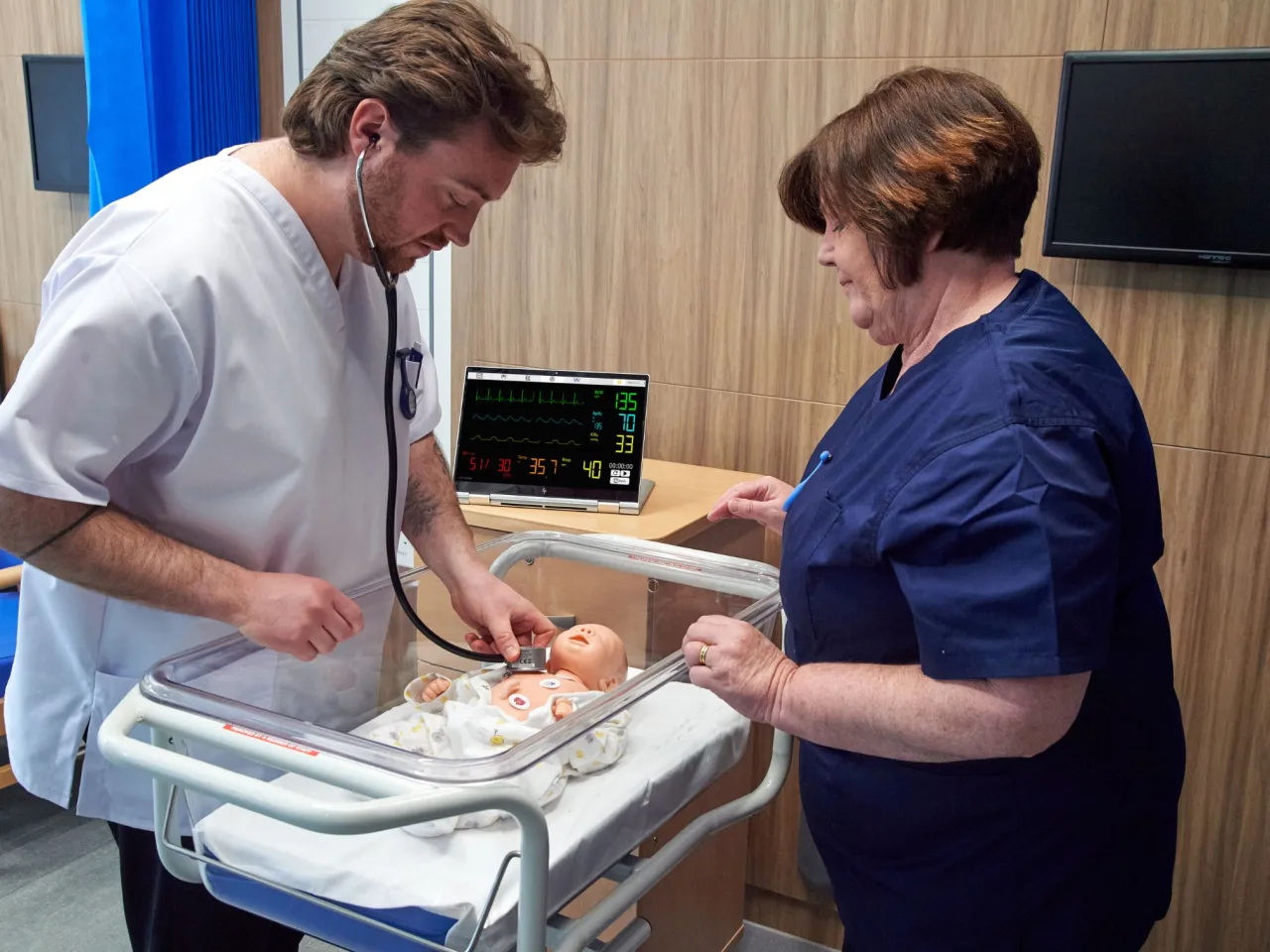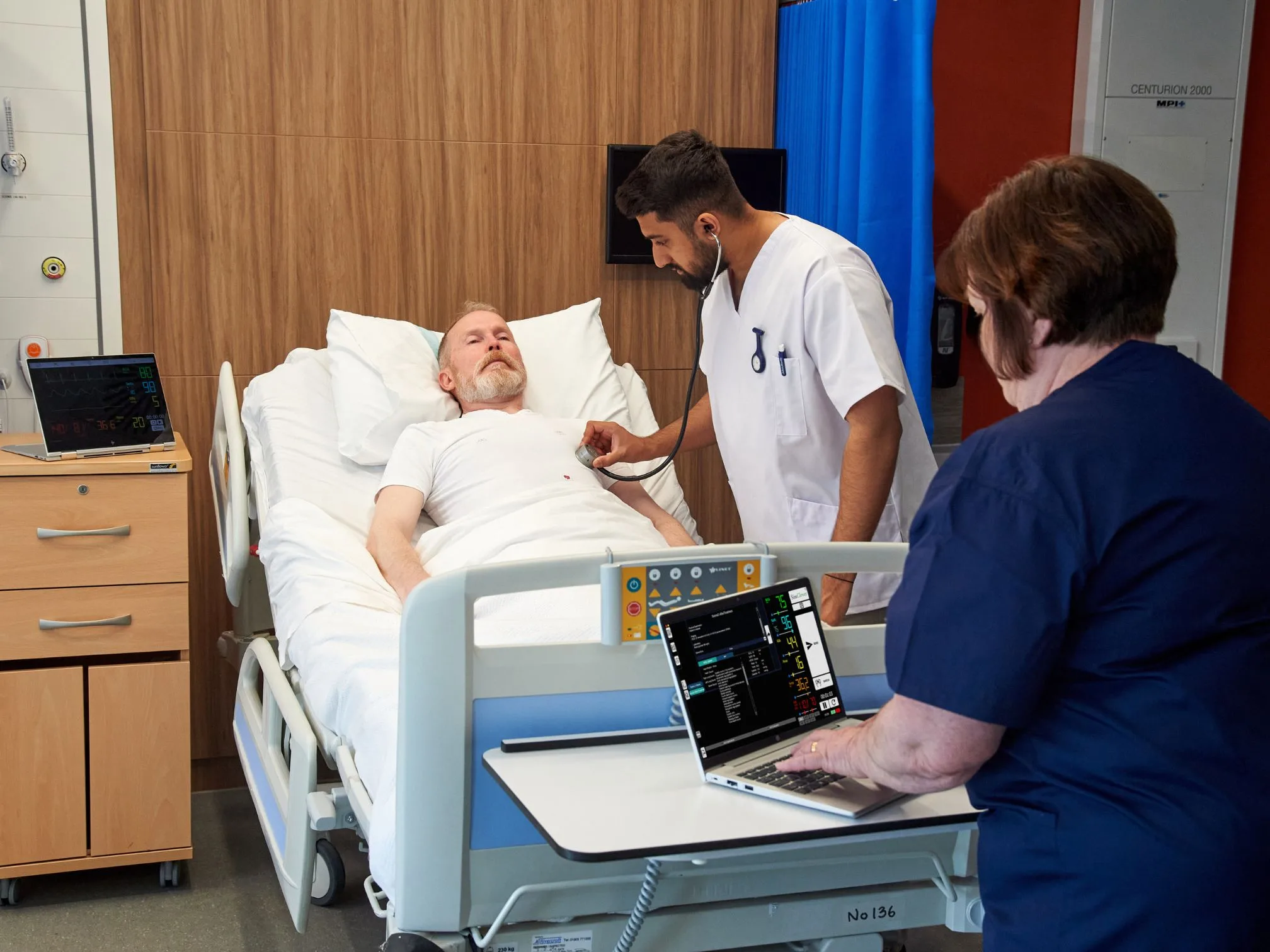
Students value being able to practise scenarios and proficiencies they may not experience in their placements, to rehearse sensitive conversations, to ease the transition from classrooms to workplaces, and to safely make mistakes without fear or judgement.
Simulation-based learning is widely acknowledged as enriching and complementing medical and healthcare curricula.
The Nursing and Midwifery Council (NMC), for example, now allows up to 600 of the required 2,300 practice learning hours to be simulated, after this approach was initially adopted as an emergency measure during the pandemic.
Simulation is also likely to play a bigger role in the future, with the new 10 Year NHS Health Plan for England pointing to a focus on lifelong learning, training to task rather than role, and ‘harnessing innovative approaches like simulated learning’.
Despite this, the 2024 NHS England Training Survey reveals that only 36% of learners can currently access simulation and immersive learning opportunities.
It’s clear that while the benefits of simulation in medical education are recognised, practical challenges such as funding and resources prevent it from becoming more widely accessible.
As suppliers of medical education solutions, we firmly believe that high-quality learning experiences should be affordable for even the most modest of budgets, and we design our products and curate our ranges with that in mind.
Affordable and flexible simulation solutions
From reading research, attending events, joining industry bodies, and talking to peers, and clients, we know that different educational settings are at different stages in their simulation journeys. There is a gap between training-to-task models and the high-fidelity solutions that are beyond the budgets of many institutions.
Something more flexible is needed. Something that still provides that next level, authentic, learning experience, but without the price tag of a high-fidelity manikin.
That’s where our SimClever™ range comes in.
Simulation suite in a box
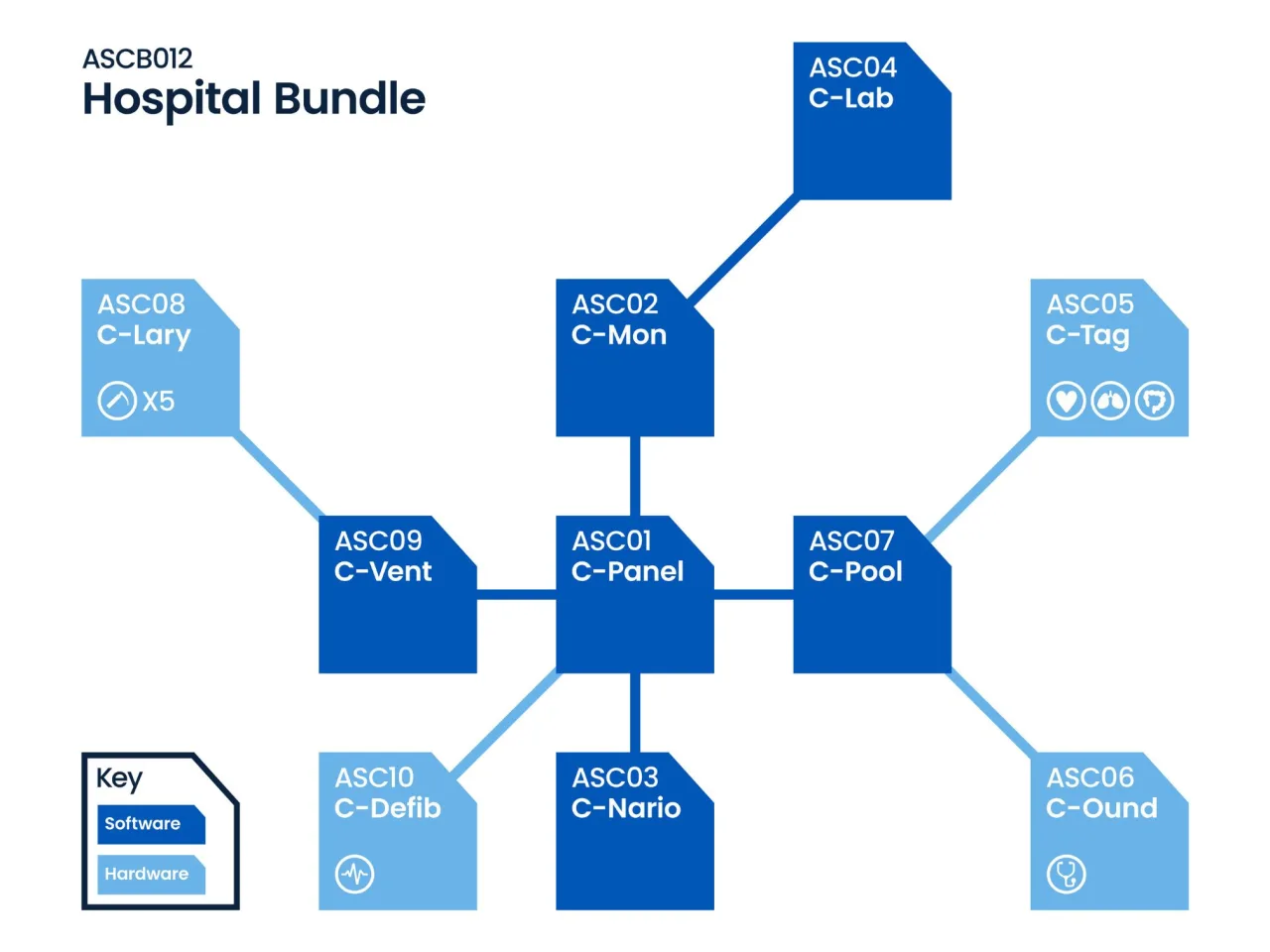
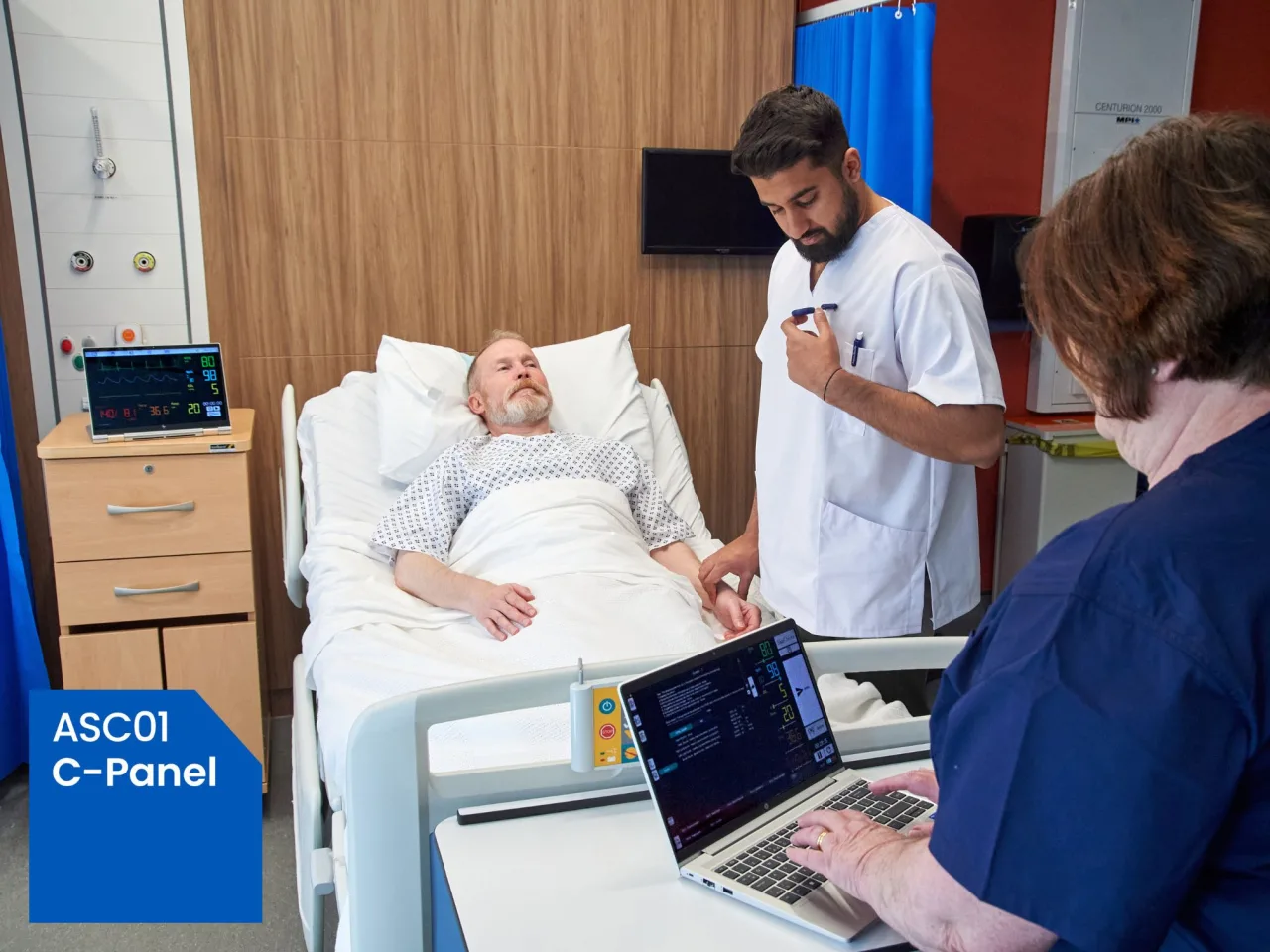
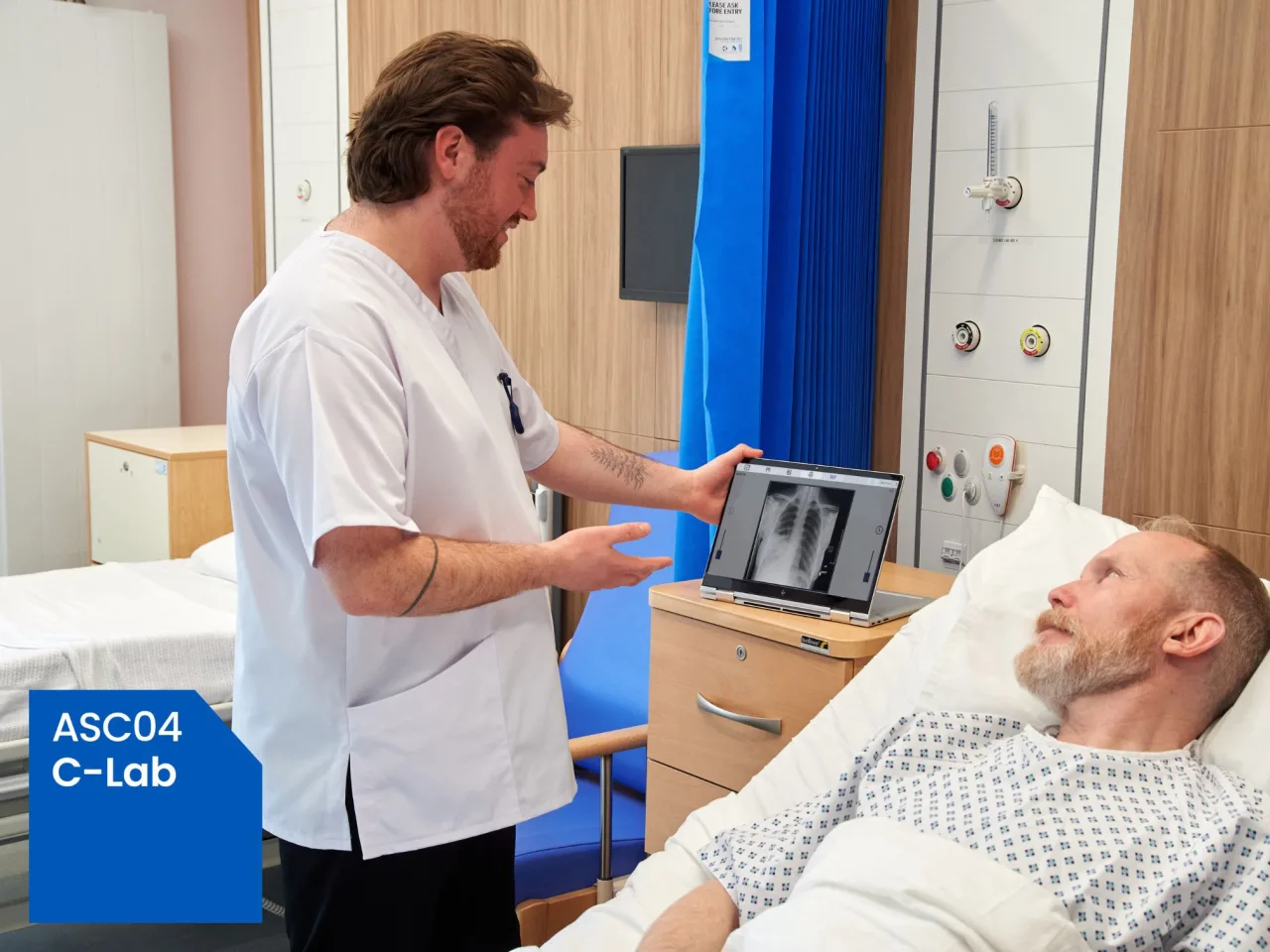
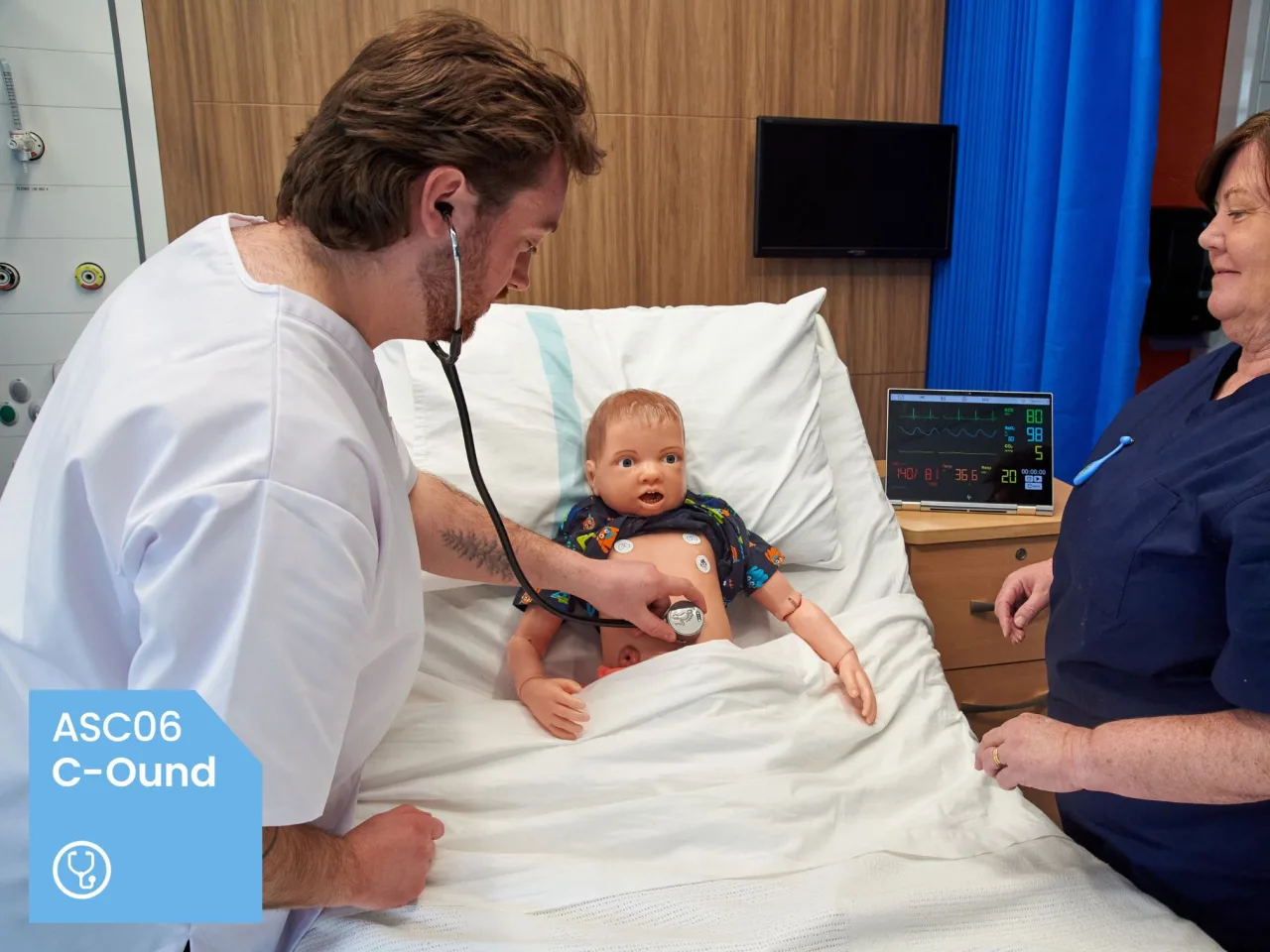
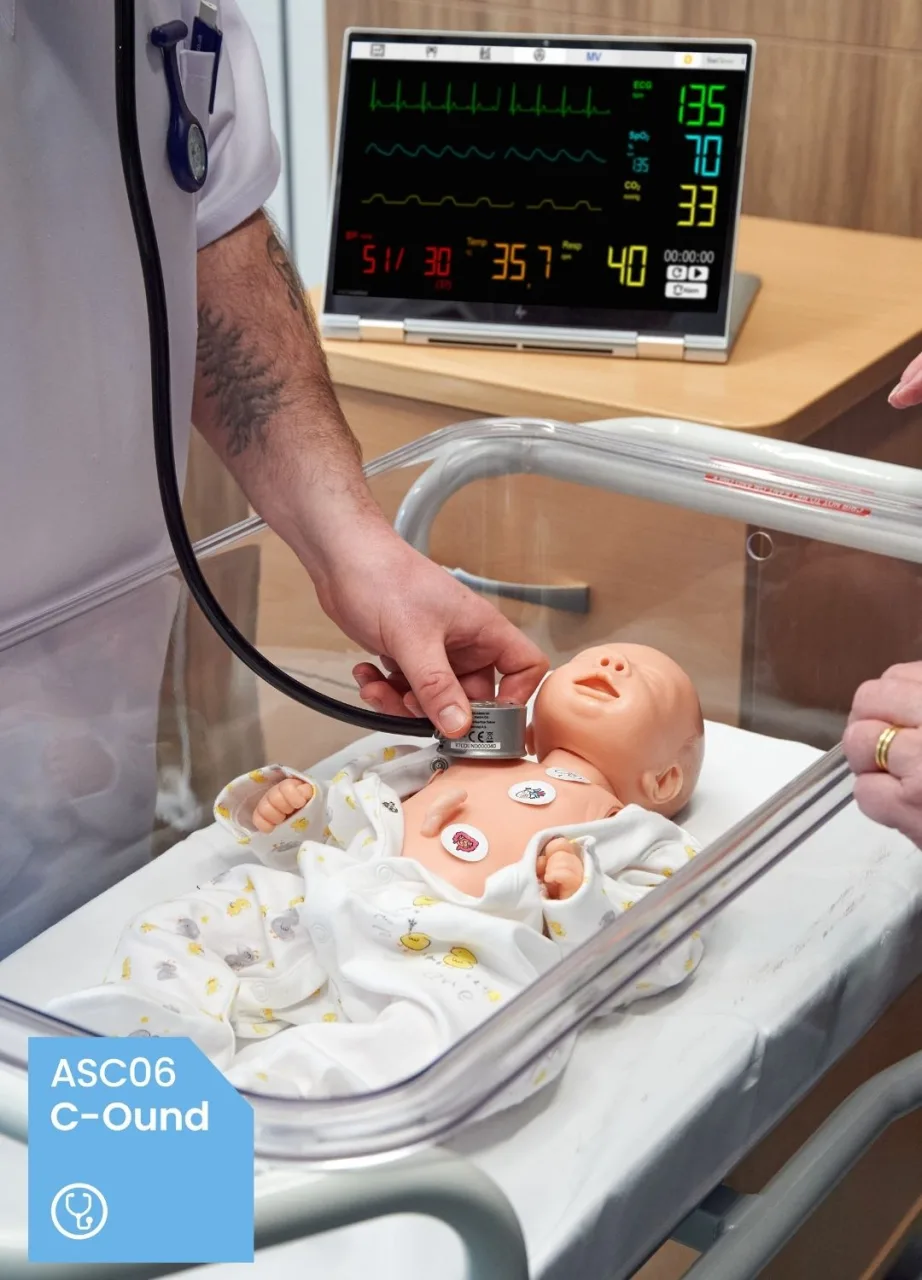
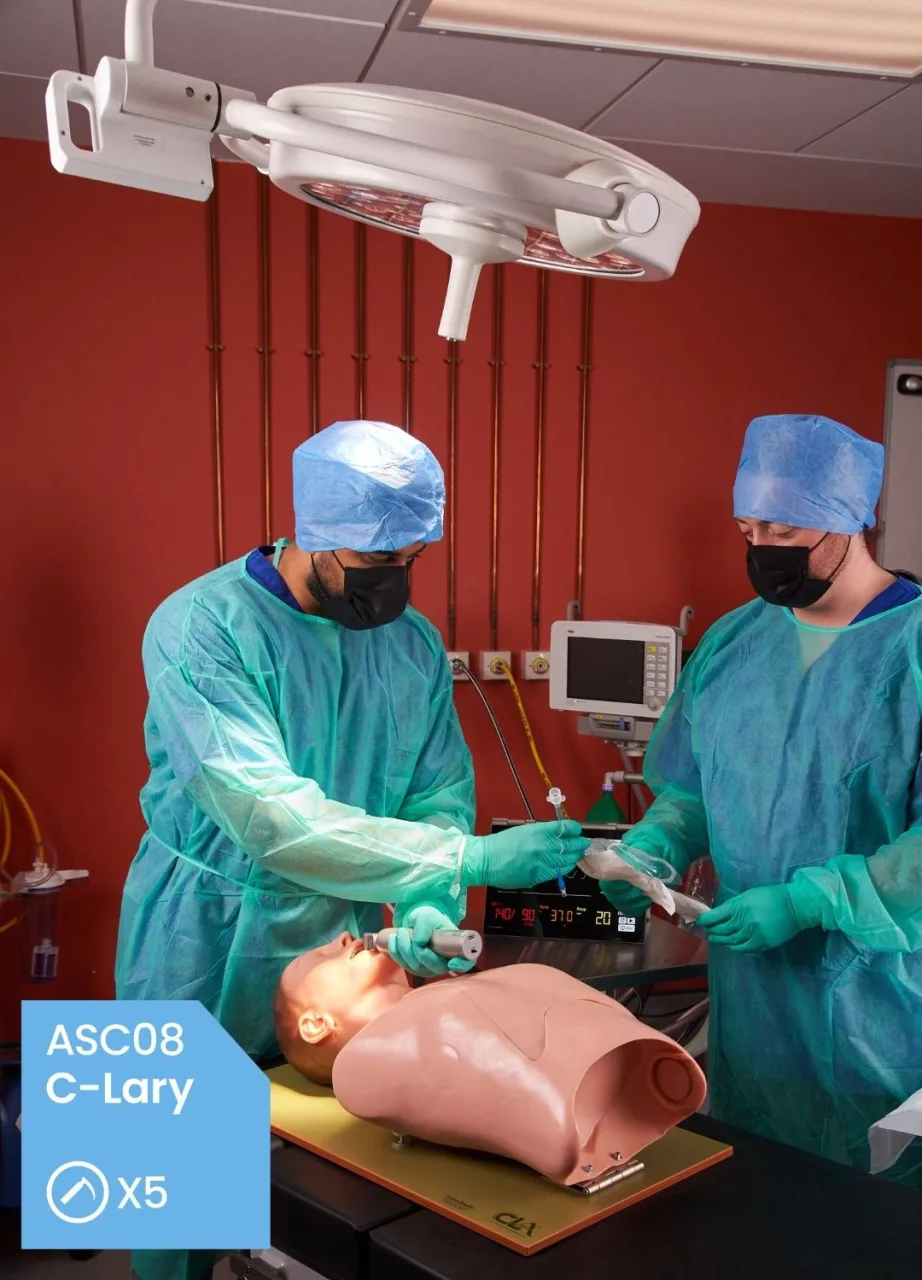
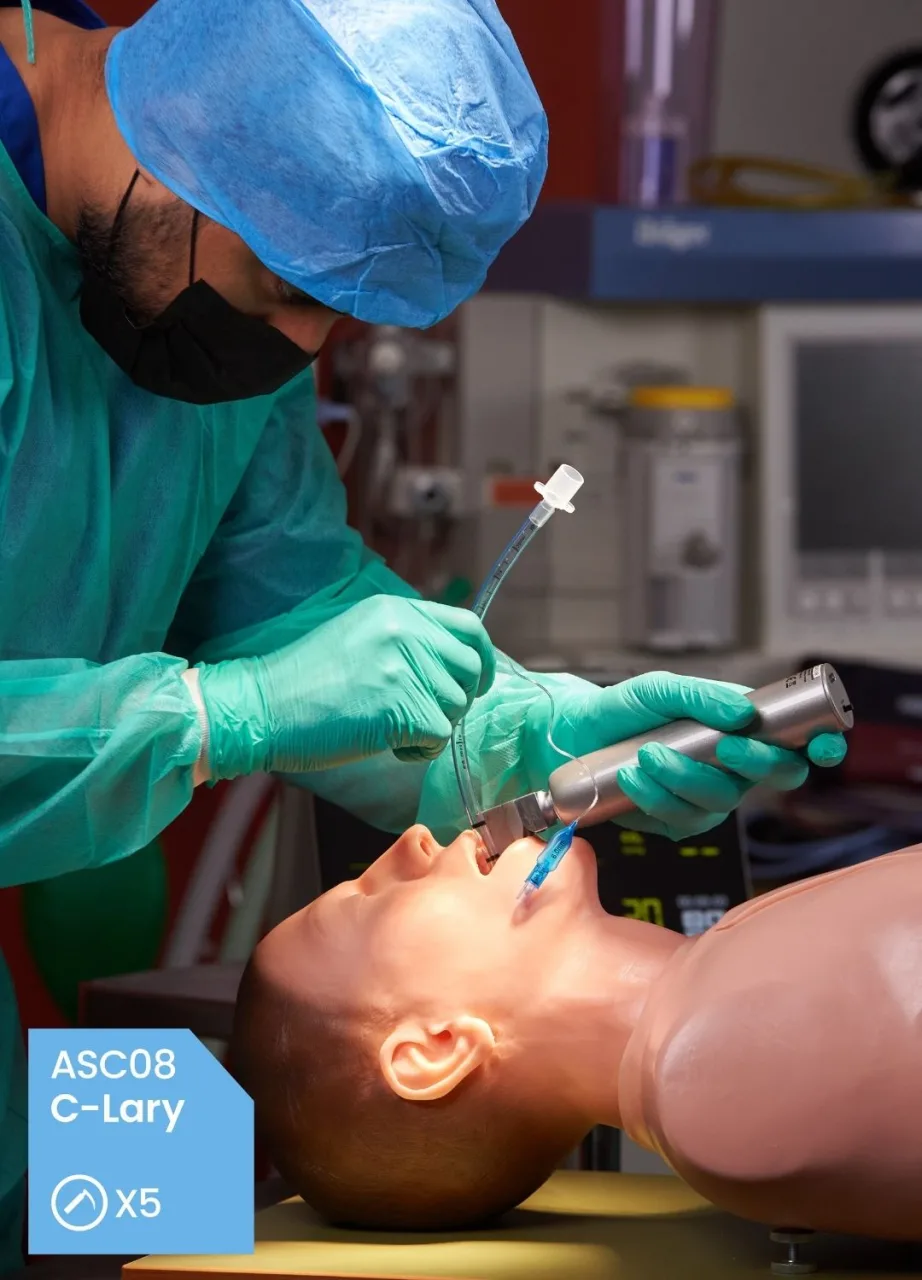
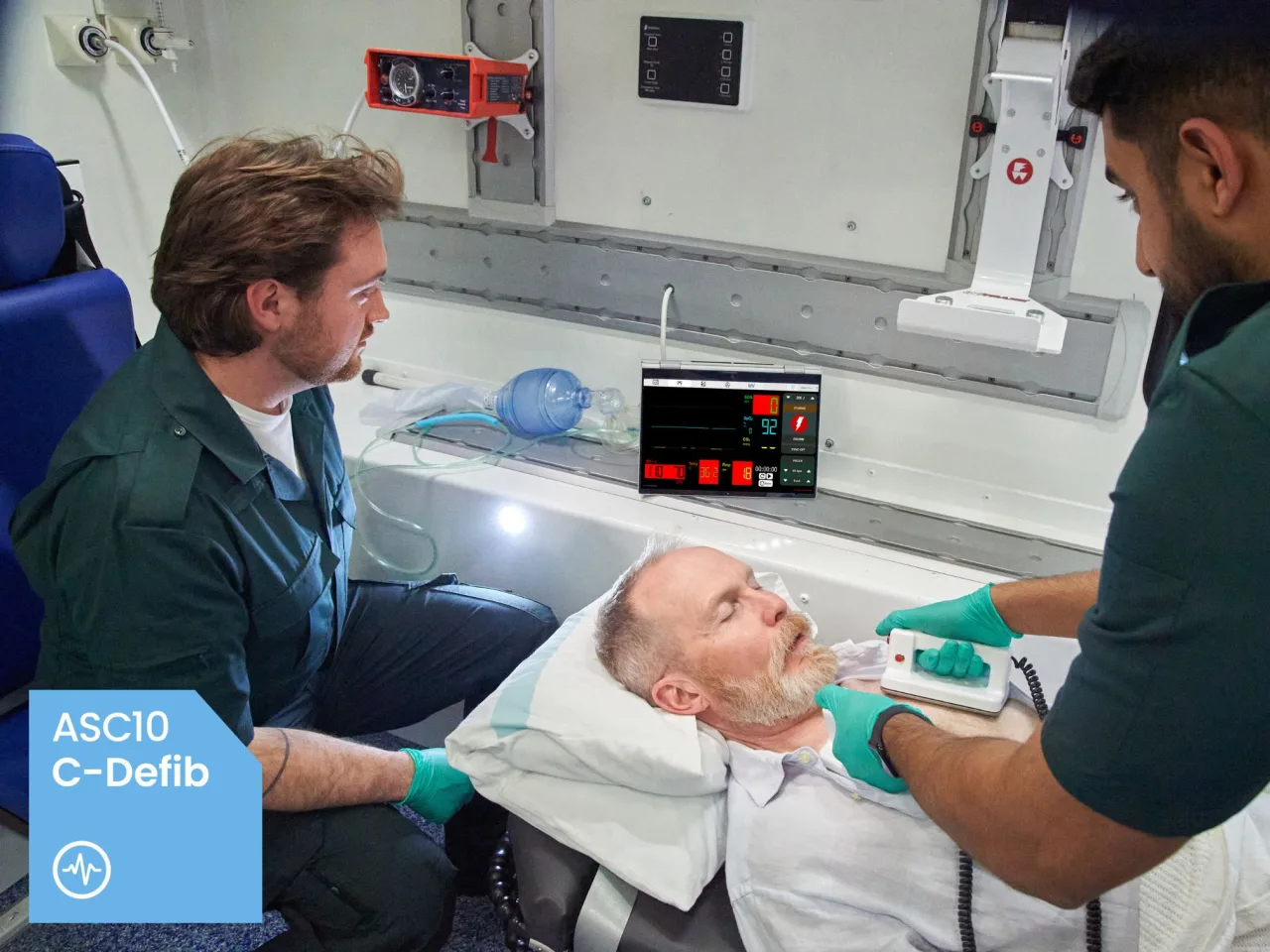
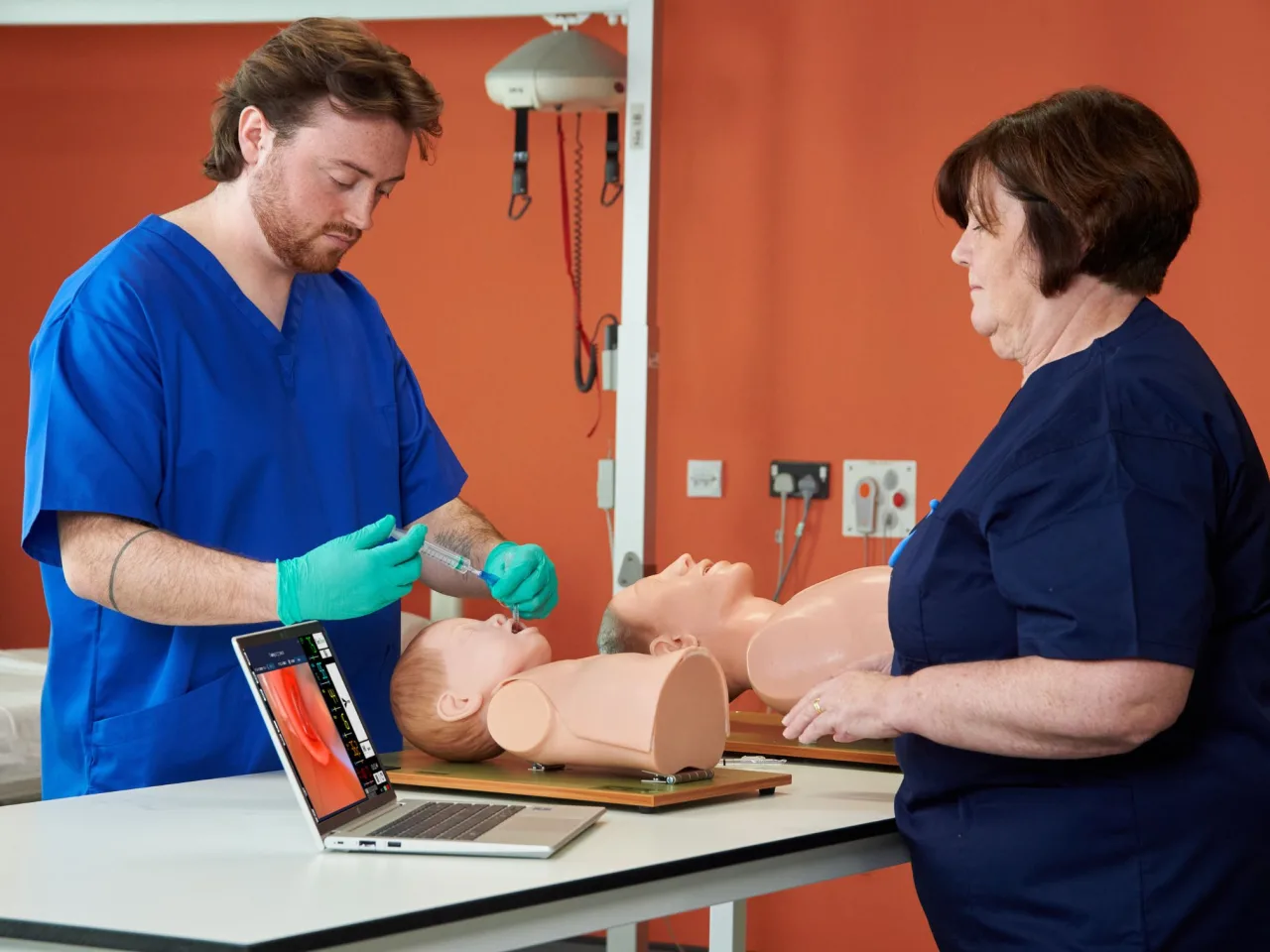
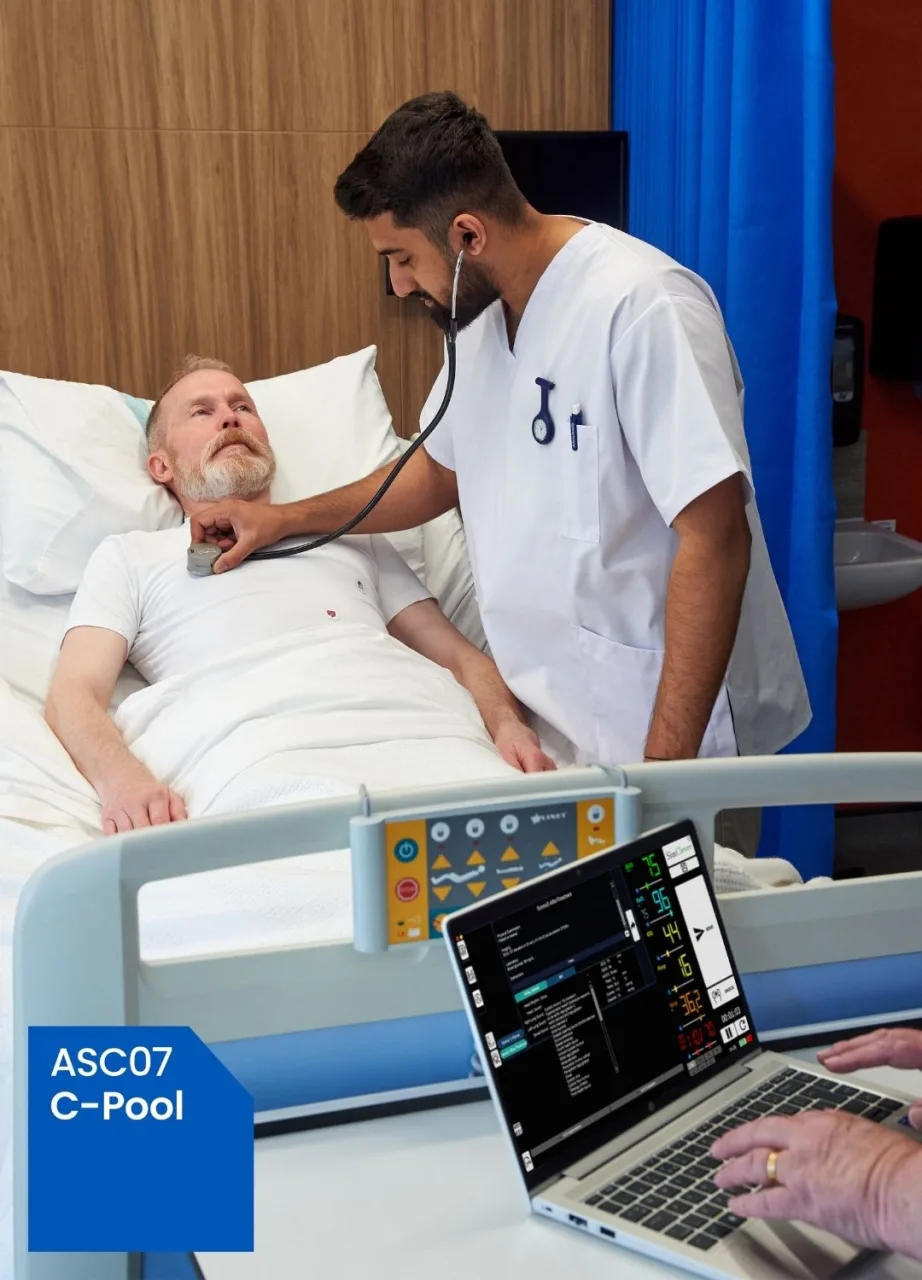
Designed as a ‘simulation suite in a box’, the SimClever™ system is a brand new range of software and devices which transform any new or existing manikin, task trainer or standardised patient into a mid-fidelity learning experience.
It offers a cost-effective option for medical trainers and educators looking to significantly enhance teaching, without paying tens of thousands of pounds for high-fidelity manikins.
The portable, modular simulation system gives trainers full control over vital signs and different medical scenarios in real-time.
The benefits and challenges of simulation practice learning
The NMC evaluated the experiences of 19 approved educational institutions which were among the first to take advantage of the 600 simulated practice learning (SPL) hours, involving more than 5,500 students.
Learning was designed to be as realistic as possible, using immersive settings, various software, manikins representing genders, ages, ethnicities and disabilities, empathy suits and more.
Nursing students were able to practise skills as well as learning effectively how to handle sensitive and complex cases.
The evaluation noted:
- Students overwhelmingly valued SPL for providing a safe, supportive environment in which to practise and reflect, improving their confidence
- It allowed students to practise proficiencies and scenarios they didn’t experience in their placements, such as mental health, children’s and learning disability fields
- Students valued the inclusion of people in creating lifelike scenarios
- Students valued the opportunity to practise scenarios that are complex, difficult, sensitive or challenging in a safe, supportive, non-judgemental environment
- It increased their confidence and readiness for ‘real-world’ practice
The main challenges were identified as:
- The resource intensive nature of the provision
- Financial sustainability across the higher education sector
- And some students found groups undertaking SPL activities on campus were too big for them to have a turn at practising skills
SimClever™ addresses these implementation challenges through its flexible, modular design and affordable price point.
Improving simulation without large upfront investments
The system’s modular design means capabilities can be built gradually, with modules added as budgets allow, rather than requiring large upfront investments.
When compared to similar high-fidelity-systems, the SimClever™ Hospital Bundle, forexample, offers comprehensive simulation, accessible to those previously limited to task trainers. The absence of ongoing subscription fees supports long-term and affordable programme sustainability.
A manageable way to introduce simulation-based learning
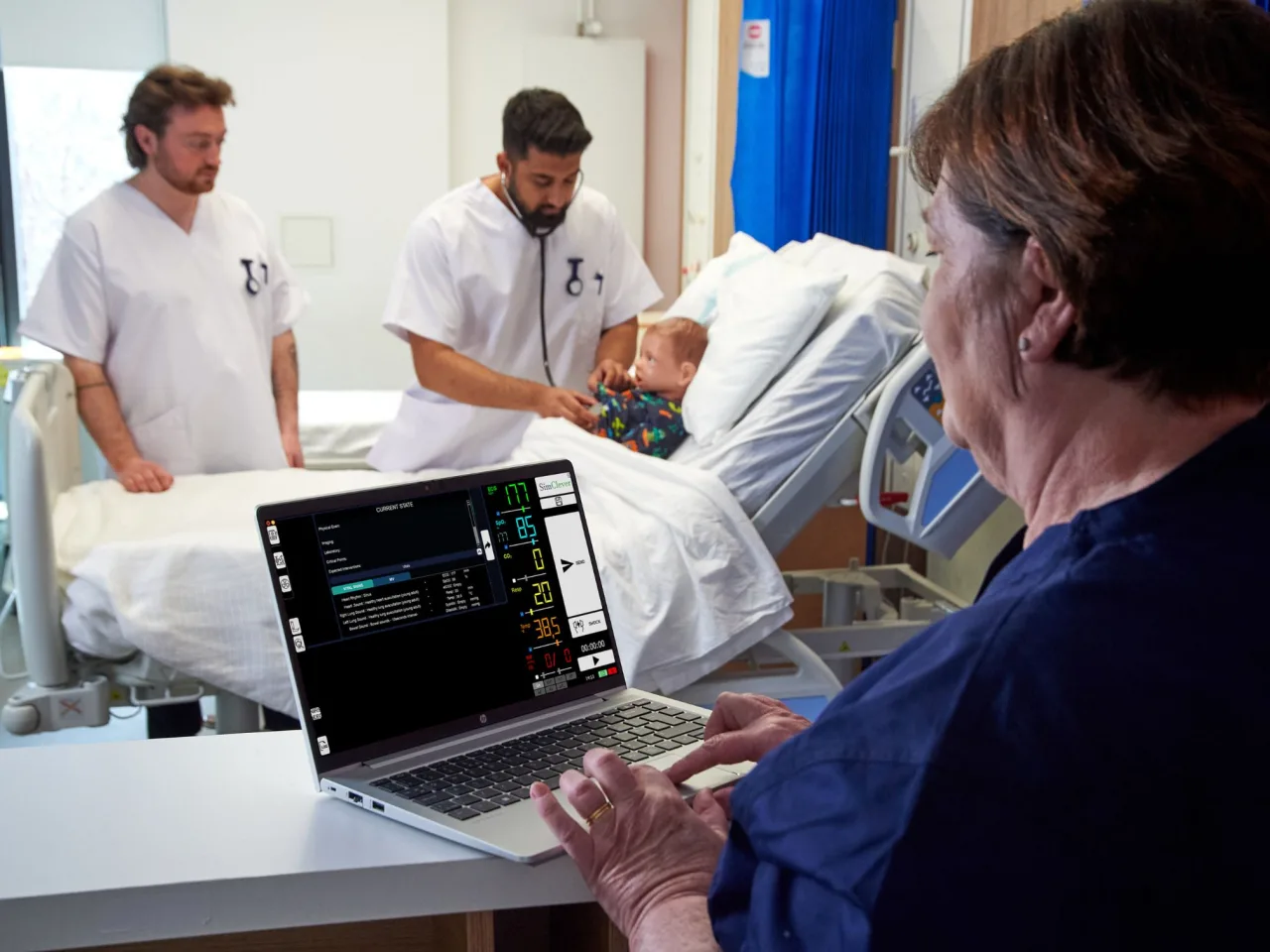
SimClever™ provides an ideal foundation, rather than requiring wholesale replacement of training aids, as the system transforms existing or familiar models into sophisticated learning tools. This approach builds confidence with simulation-based methods while maximising investments.
The system’s portability enables institutions to start with a single bundle and deploy it across multiple programmes and locations, while staff develop their simulation expertise in a manageable way.
Enabling hybrid learning approaches
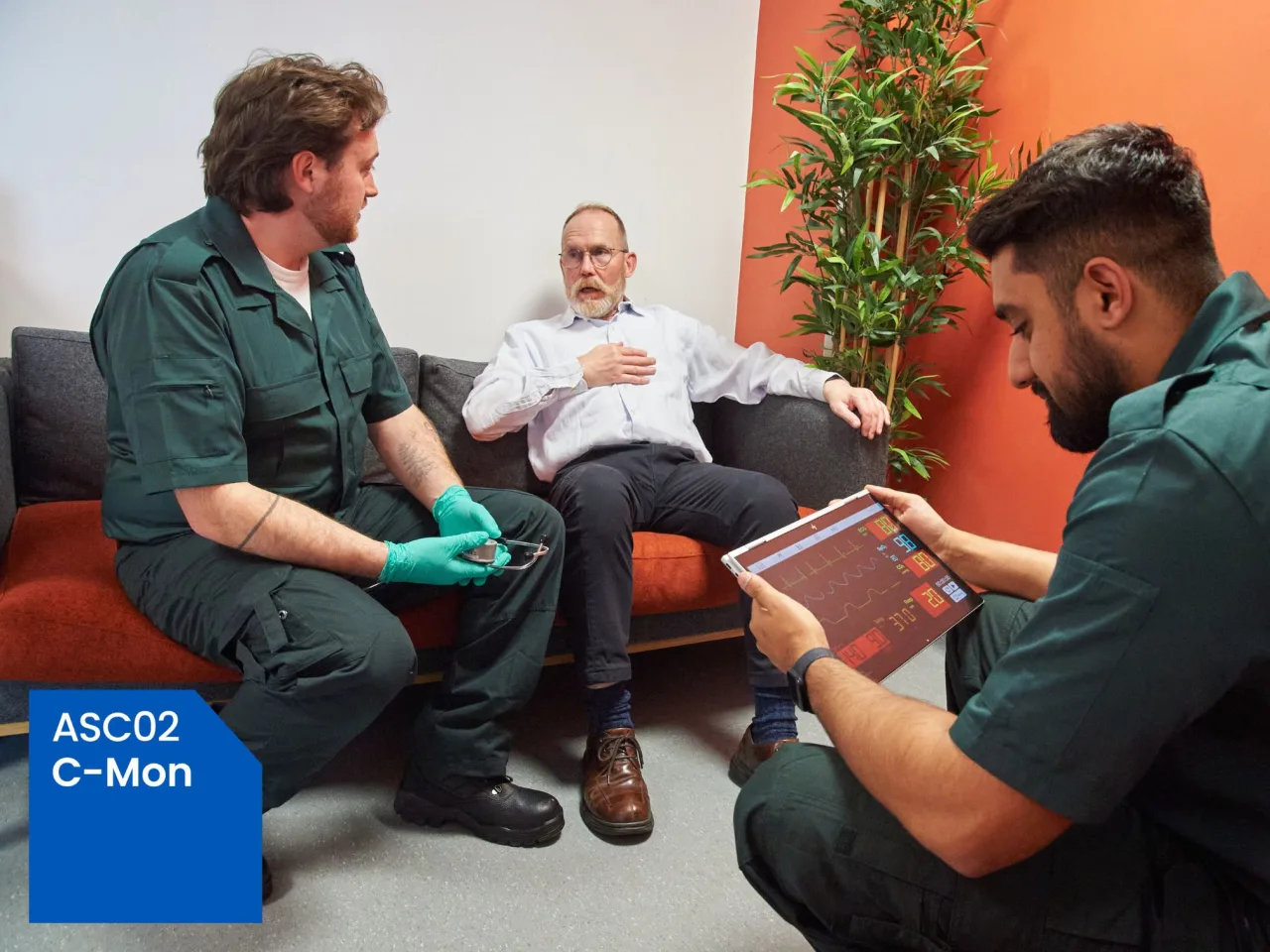
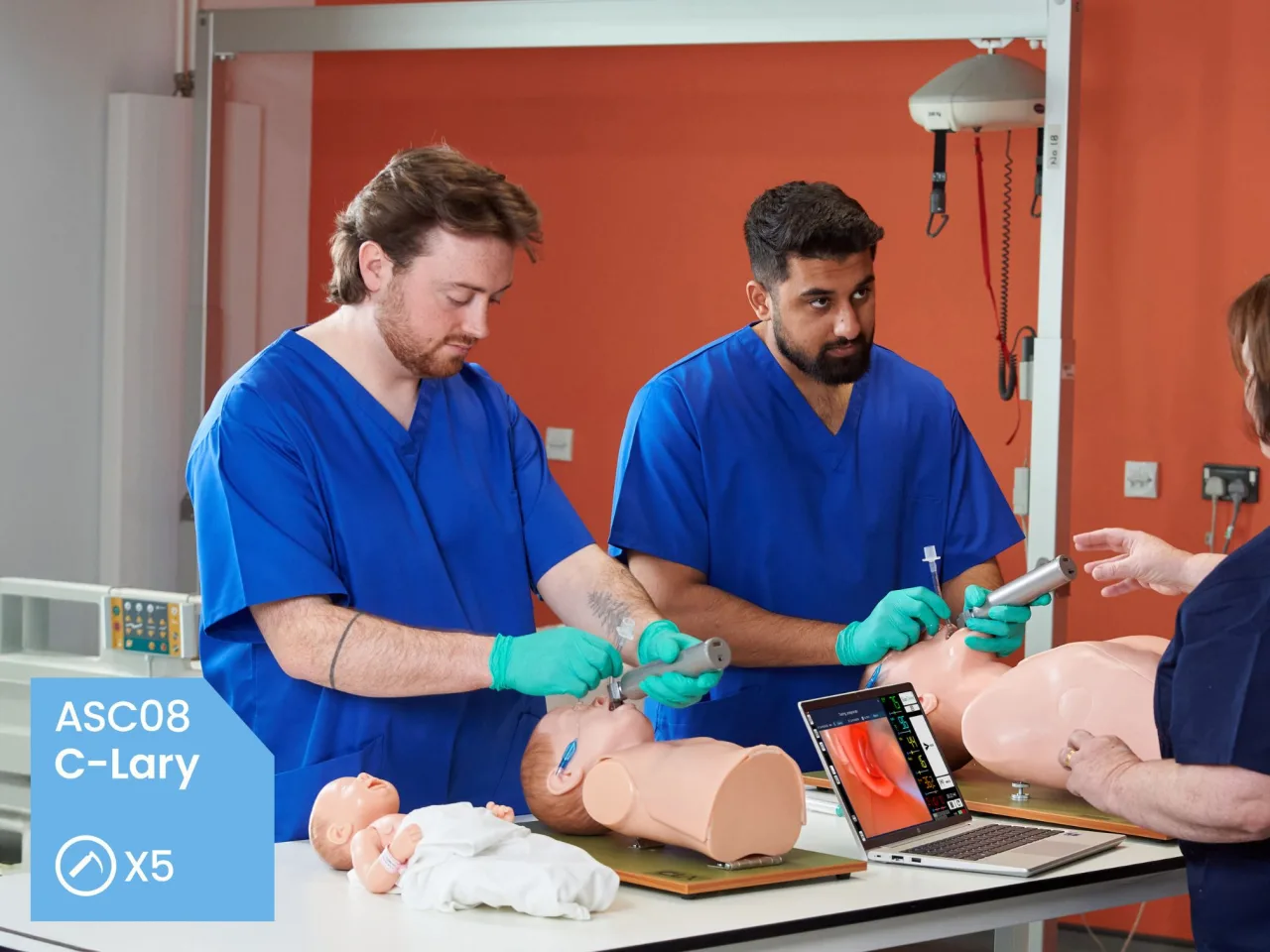
Students particularly valued scenarios involving human patients alongside manikin-based training. SimClever™ supports this hybrid approach – the same system that enhances a training manikin can be used with standardised patients to create complex, interactive scenarios.
This flexibility allows educators to seamlessly transition between technical skills practise and communication-focused scenarios, all through the same intuitive interface.
You can read more about the benefits of SimClever™ here, which include technical support for setting up the system.
Realising simulation’s full potential
Simulation works exceptionally well when implemented thoughtfully. Students gain confidence, develop essential competencies safely, and bridge theory with practise in ways that directly benefit patient care.
The challenge lies not in proving simulation’s value, but in making it accessible to all learners who could benefit. This means addressing practical barriers around capacity, resources, and implementation complexity.
By enhancing existing resources rather than replacing them, supporting both manikin and human-based learning, and offering flexible expansion pathways, the SimClever™ system makes proven simulation benefits achievable for more training providers.
For expert guidance on expanding simulation capabilities within your budget, contact our Sales Team who can help identify the most effective approach for your needs.