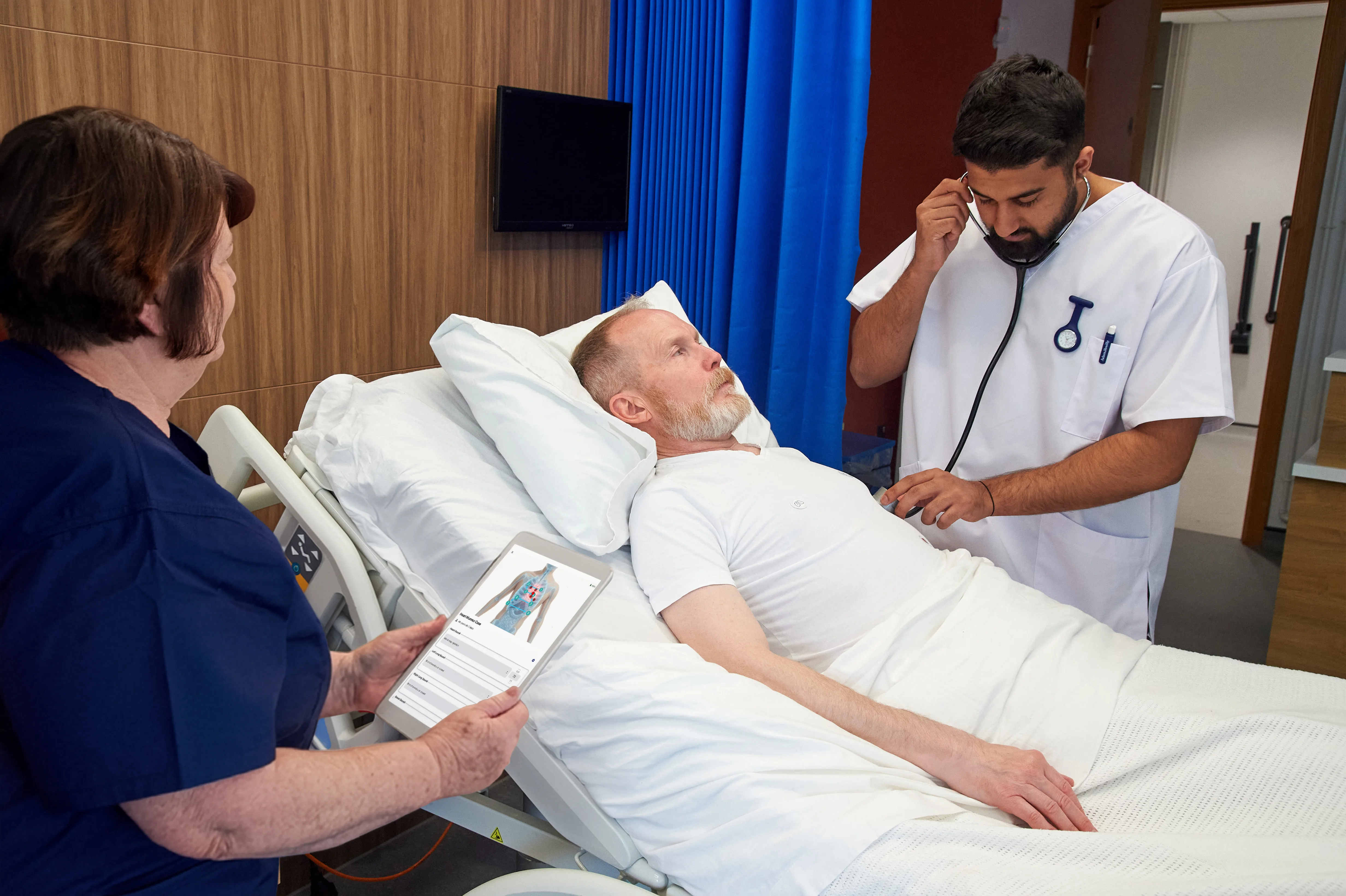
In today’s clinical and educational environments, the delivery of training is rarely confined to one setting. From hospital wards and simulation suites to teaching spaces and outreach environments, educators are increasingly required to deliver consistent, high-quality training across a range of locations.
At the same time, the demands placed on healthcare professionals continue to grow. Time pressures, resource constraints and the need to maintain high standards of care mean that opportunities for hands-on training must be effective, flexible and efficient.
Why accessibility in training matters
Access to training remains a key challenge across many clinical settings. While simulation is widely recognised as an effective approach to developing practical skills and supporting clinical decision-making, it is not always straightforward to deliver on a regular basis.
Limitations around equipment availability, space and scheduling can restrict how often training takes place. As a result, regular opportunities to build confidence through training, an essential component in developing clinical capability, may be reduced. This is reflected in clinical education and skills development guidance.
In environments where clinical scenarios can be unpredictable and high-pressure, ensuring that training is both accessible and repeatable is essential to supporting preparedness and maintaining high standards of care.
Supporting flexible approaches to simulation training
Simulation-based education provides an invaluable opportunity for clinicians to practise skills in a controlled environment, as recognised by organisations such as the Society for Simulation in Healthcare (SSH). However, its effectiveness is closely linked not only to the quality of the simulation itself, but also to how easily it can be delivered.
Flexible training approaches allow educators to bring simulation into a wider range of environments, supporting more frequent practice and enabling a broader group of learners to engage with training.
In this context, mobile and adaptable solutions play an increasingly important role in supporting the delivery of clinical education.
Delivering flexible simulation through mobile, app-based solutions
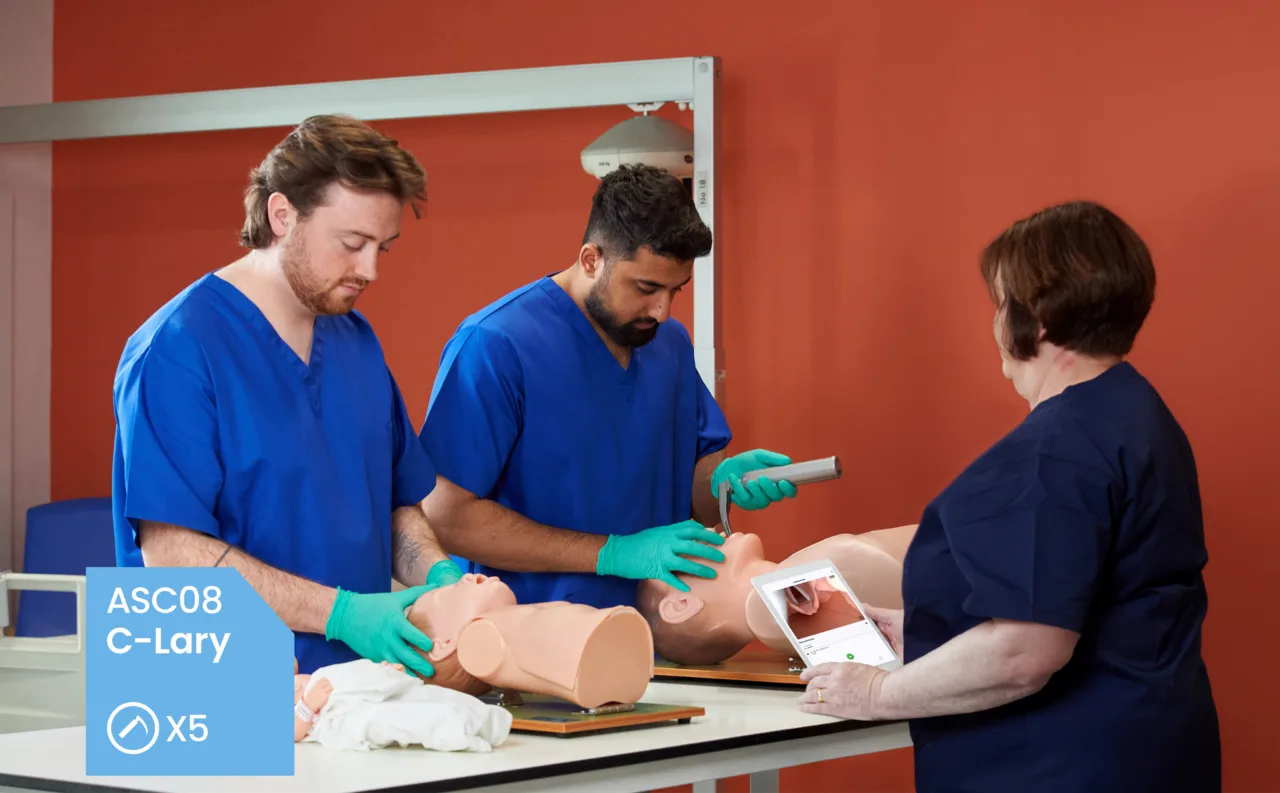
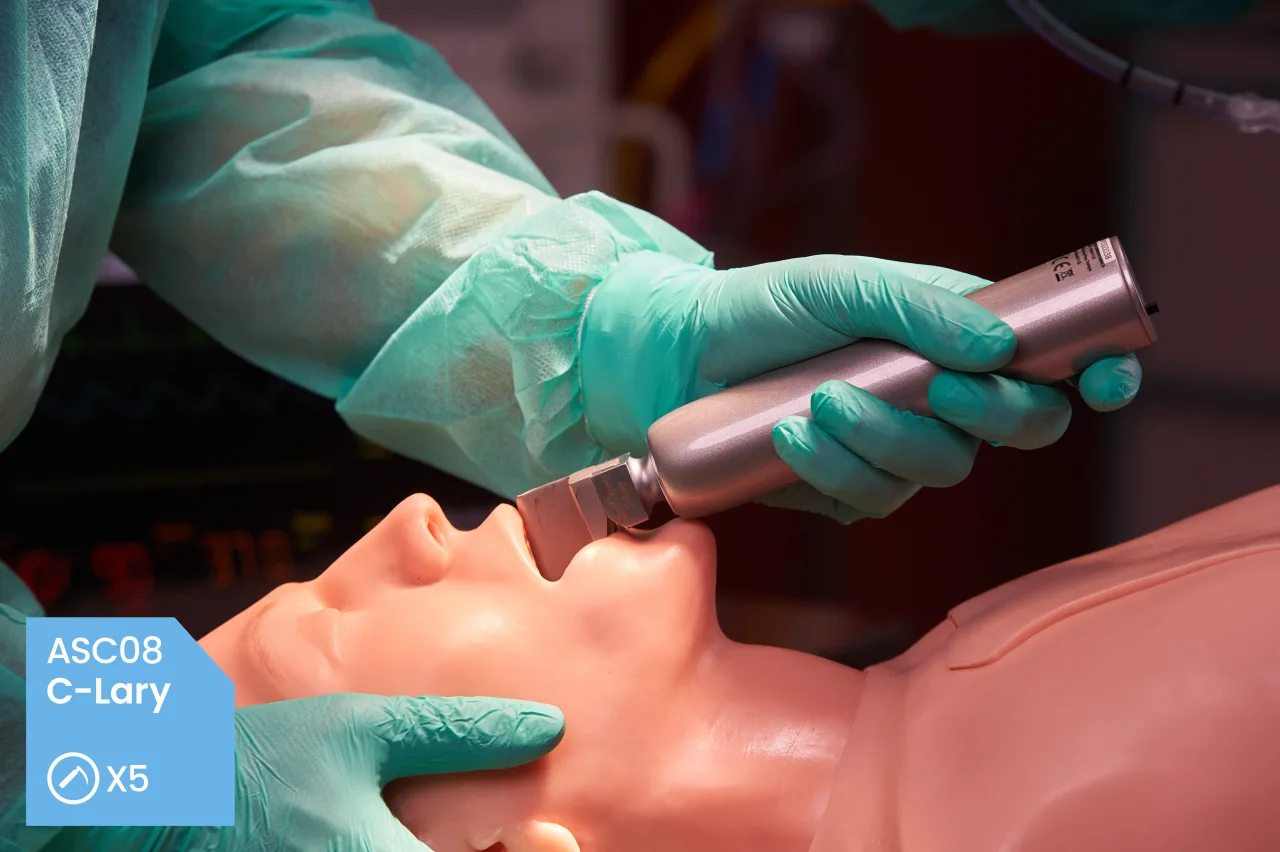
Our SimCleverTM mobile solutions are designed to support the delivery of simulation training across a range of environments, using a combination of hybrid simulated devices and an intuitive app-based platform to create realistic, scenario-based learning.
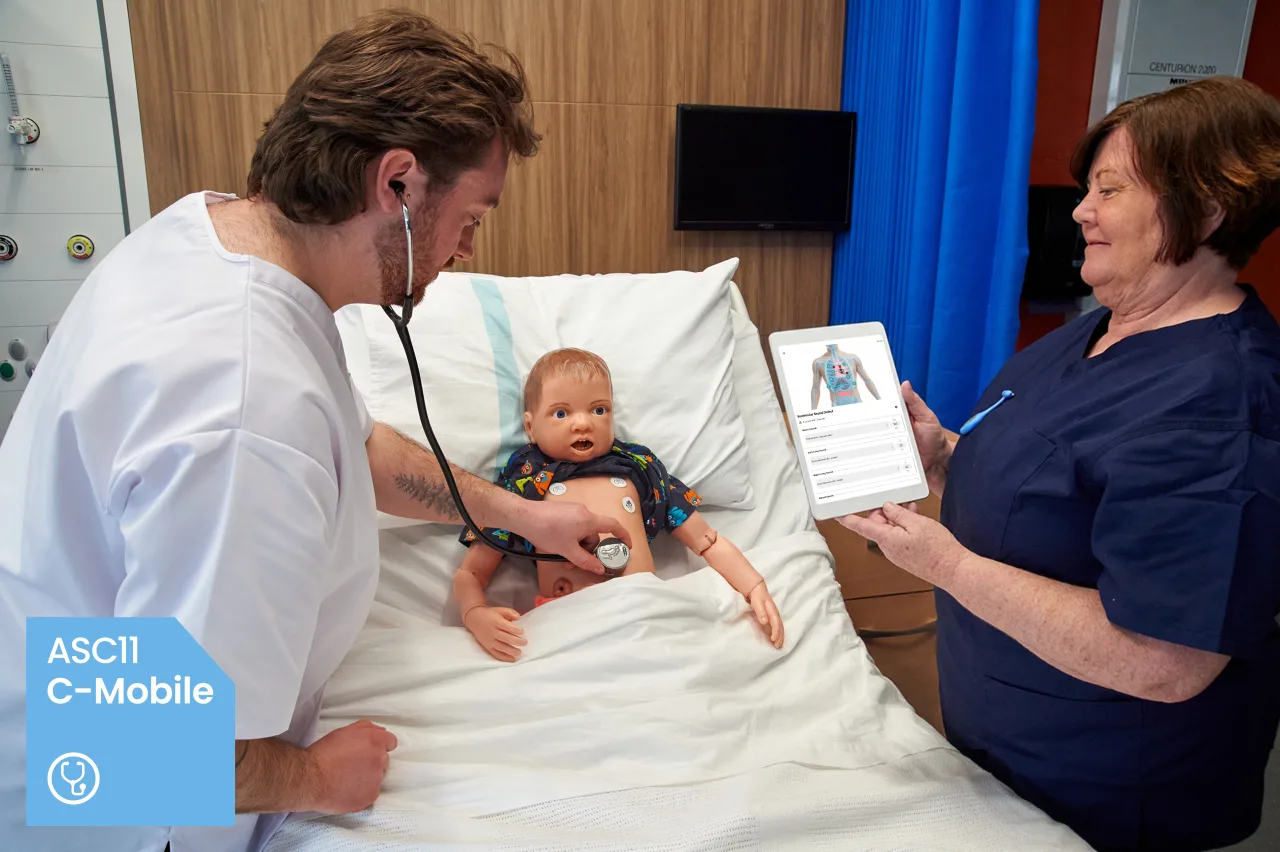
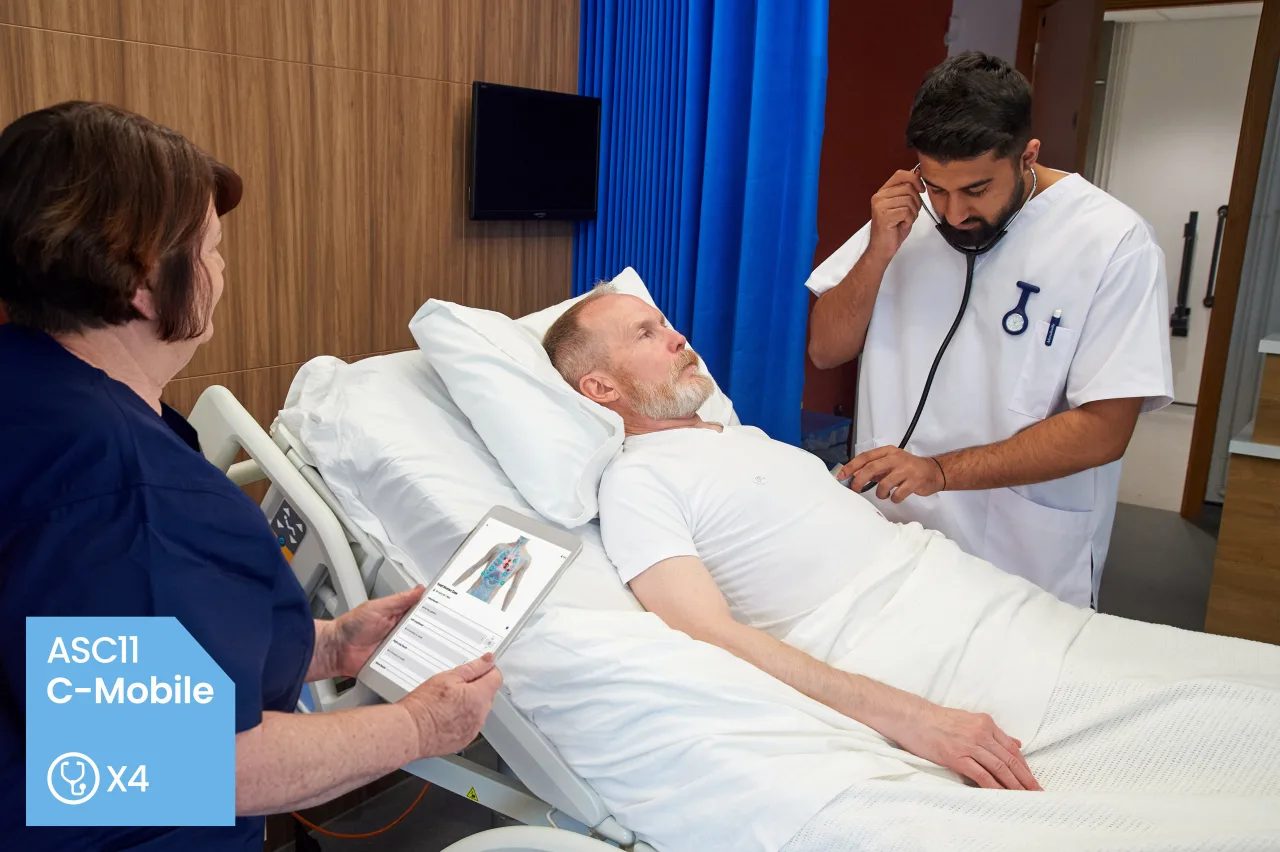
In practice, these systems enable educators to pair training devices, such as laryngoscopes or stethoscopes, with a digital platform, allowing them to run scenarios, observe performance in real time and provide immediate feedback. This approach supports effective review and feedback, helping learners connect practical skills with clinical decision-making.
In all of the mobile bundles, this is delivered through an easy-to-use iOS-based app, allowing educators to control scenarios, adjust findings and provide feedback instantly, without the need for complex setup.
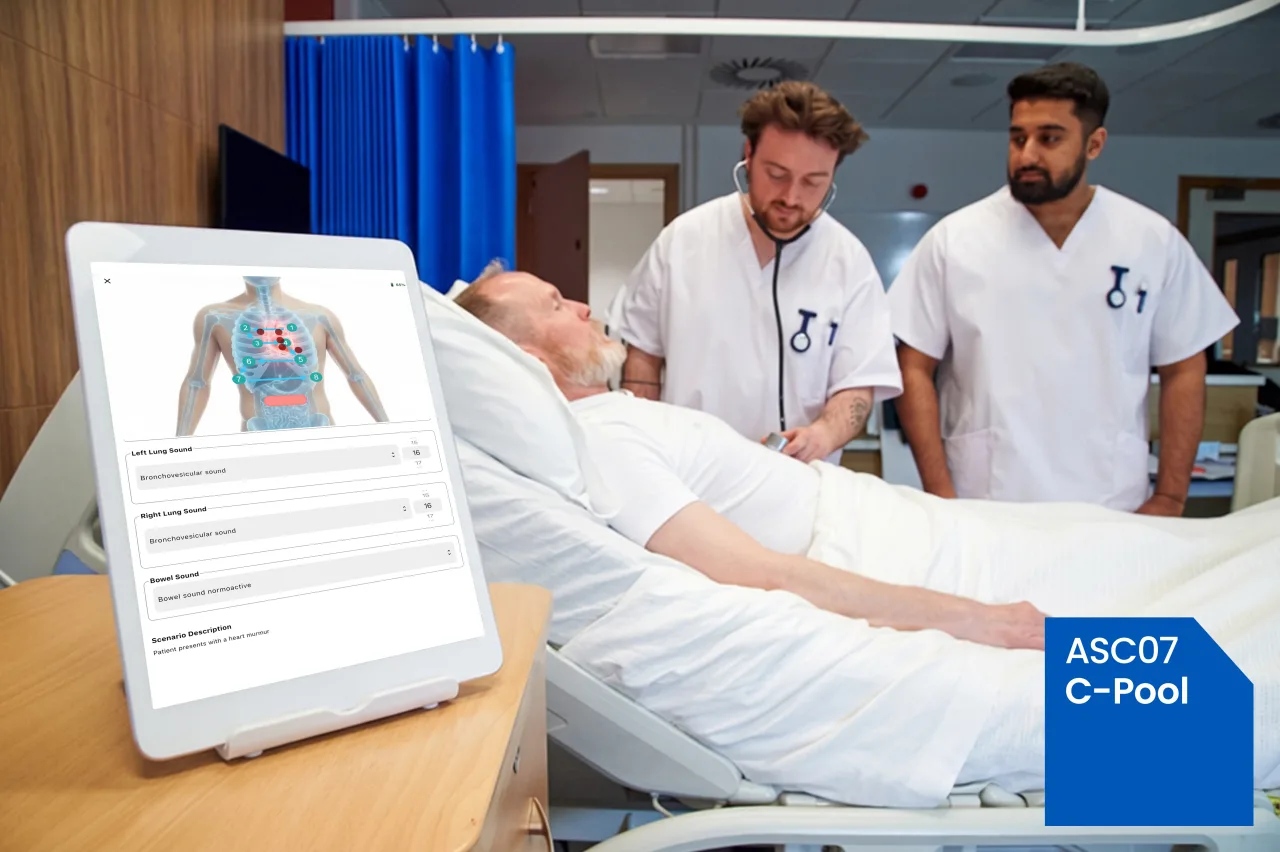
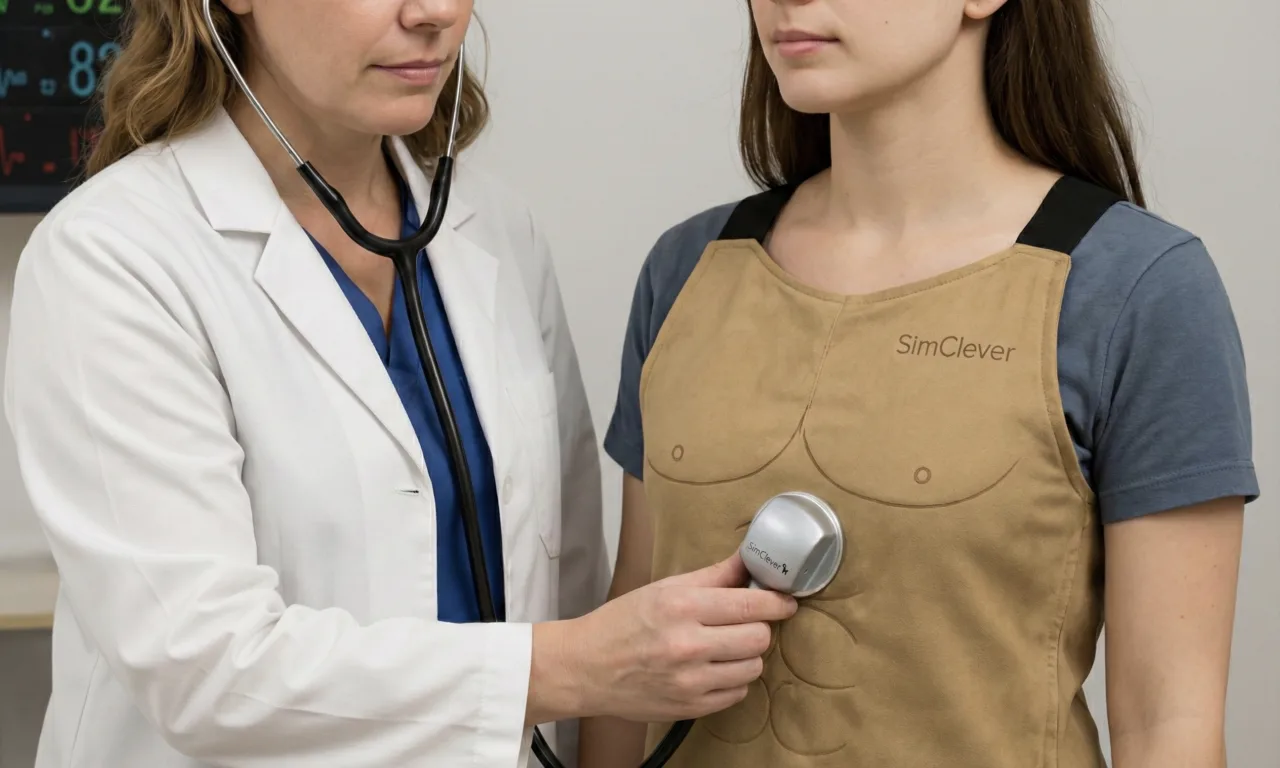
Recent developments within our SimCleverTM range further illustrate this approach. For example, a new wearable solution, the C-vest Auscultation Vest, used alongside the SimCleverTM digital stethoscope, allows realistic auscultation training using clinically representative sound profiles to take place directly on individuals, without the need for dedicated simulation facilities.
By embedding anatomically accurate auscultation zones within a wearable format, these solutions support a more lifelike training experience while maintaining flexibility in how and where training is delivered.
Training can be set up quickly and delivered across a variety of settings, without the need for fixed simulation suites. Using standardised patients or manikins, educators can create more immersive training experiences, adapting scenarios to suit different learning objectives and levels of experience.
Our SimCleverTM range includes a wide variety of solutions designed to support different areas of clinical training. These include bundles focused on airway management and intubation, auscultation and vital signs monitoring, as well as respiratory and gastrointestinal training, alongside more comprehensive hospital-based systems that bring together multiple elements within a single learning environment.
Balancing accessibility with realism to support engagement
While accessibility is a key consideration, the effectiveness of simulation training also depends on how closely it reflects clinical practice.
By combining flexible delivery with clinically representative simulation, mobile solutions support training that remains relevant and aligned with real clinical conditions. This ensures that, even when delivered outside of traditional simulation environments, learning retains the level of realism needed to support meaningful skill development.
Greater flexibility in how training is delivered can also have a positive impact on engagement. When simulation can be set up quickly and delivered across different environments, it becomes easier to involve more learners and provide more frequent opportunities for practice.
Supporting the future of clinical education
At Adam,Rouilly, we are committed to supporting educators and healthcare professionals with training tools that reflect both the realities of clinical practice and the practical needs of modern education, helping to build confidence and capability across a wide range of clinical settings.
For more information about realistic, long-lasting clinical skills simulators and task trainers, please get in touch with our Sales Team, who are always happy to offer advice about the products available within your budgets.