

October is Breast Cancer Awareness Month, an opportunity to highlight the importance of breast awareness, recognising potential signs and symptoms and the vital role of earlier diagnosis in improving outcomes.
On 5 October, the Department of Health and Social Care announced a new three-year partnership with Breast Cancer Now, aimed at helping women recognise possible signs of breast cancer earlier and know when and where to seek advice.
Identifying a potential breast abnormality is an important first step, but what happens when someone seeks medical advice is equally important. Healthcare professionals need the knowledge, skills and confidence to carry out a thorough clinical examination, recognise potential abnormalities and determine whether further investigation is required.
From breast awareness to clinical examination
Research from Breast Cancer Now found that almost a third (29%) of women in England who regularly check their breasts do not feel confident that they would notice a change. This highlights the importance of breast awareness and knowing when to seek medical advice.
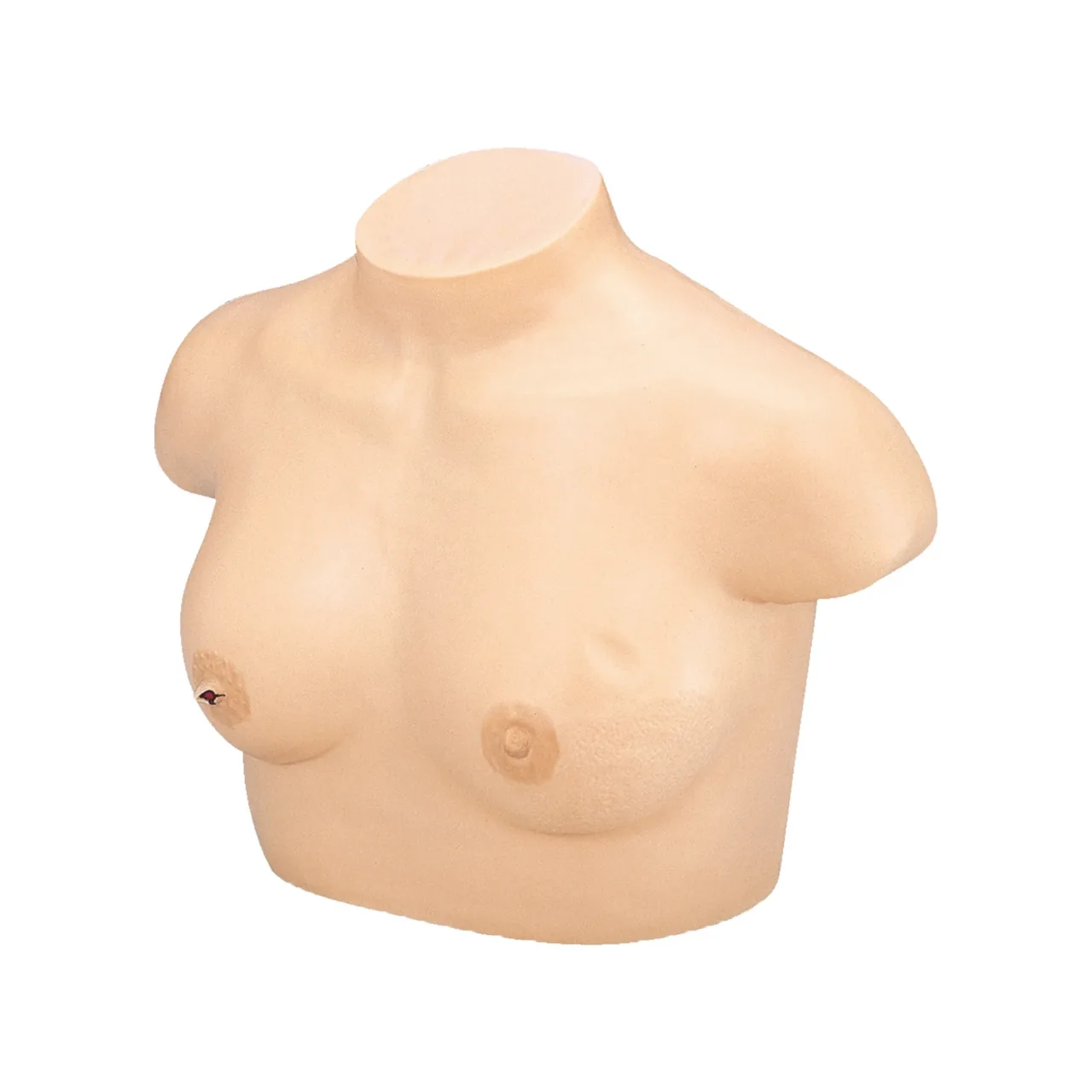
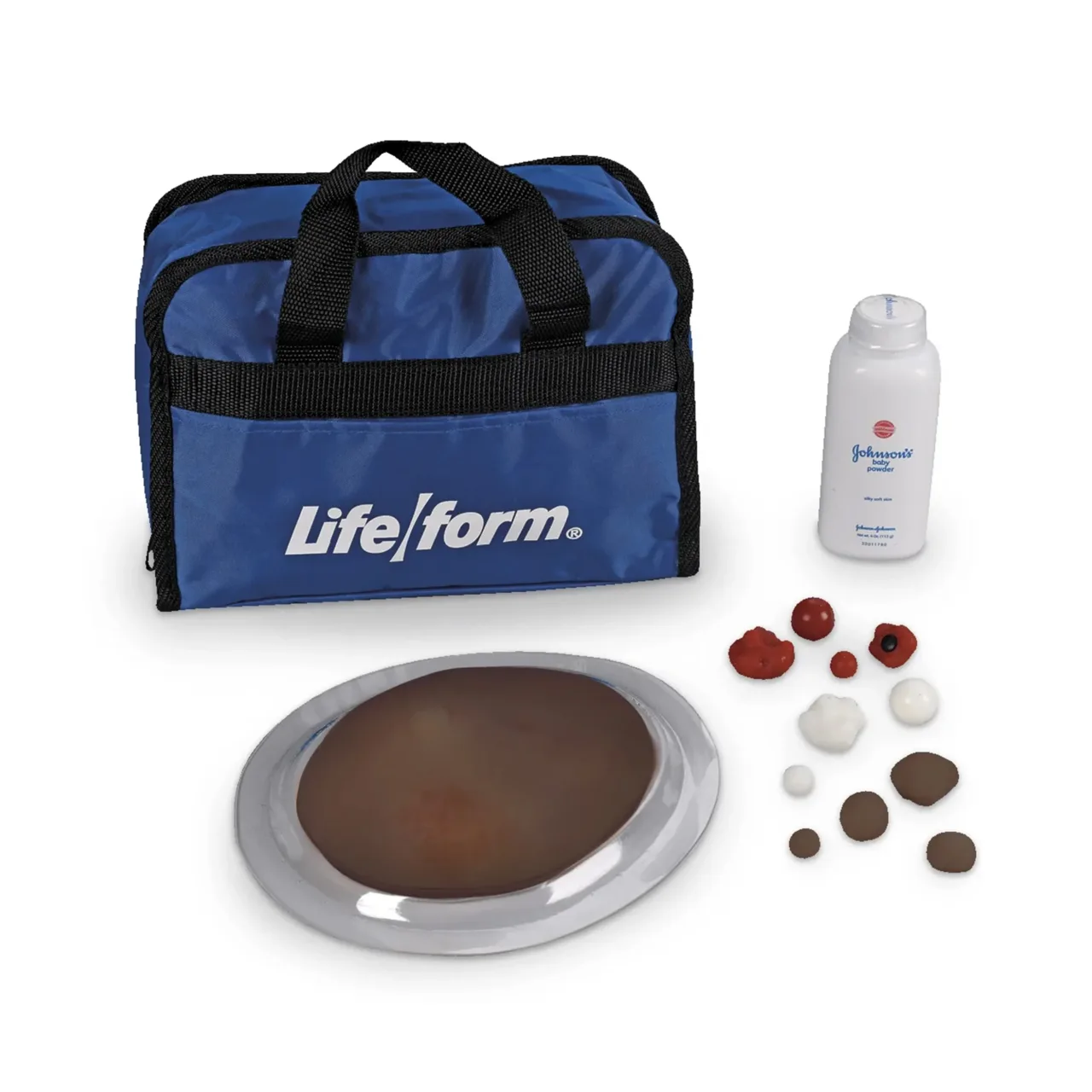
Our range of breast examination and self-examination training models helps healthcare students and professionals become familiar with how different breast abnormalities may feel. The collection includes awareness models representing different breast sizes and skin tones, together with a dedicated male breast cancer awareness model. This is particularly important because, although breast cancer is more common in women, men can also be affected.
Developing breast examination skills through simulation
Simulation provides a safe, hands-on learning environment in which healthcare students and professionals can develop their examination techniques before applying those skills in patient care.
Our breast examination trainers cater for different levels of learning, from basic models through to standard, advanced and diagnostic trainers. These enable learners to practise systematic breast examination and gain experience identifying a variety of simulated changes.
From examination to further investigation
When a patient presents with a breast change that requires further investigation, they may be referred to a specialist breast clinic. Depending on the circumstances, investigations can include clinical examination, mammography, ultrasound and biopsy.
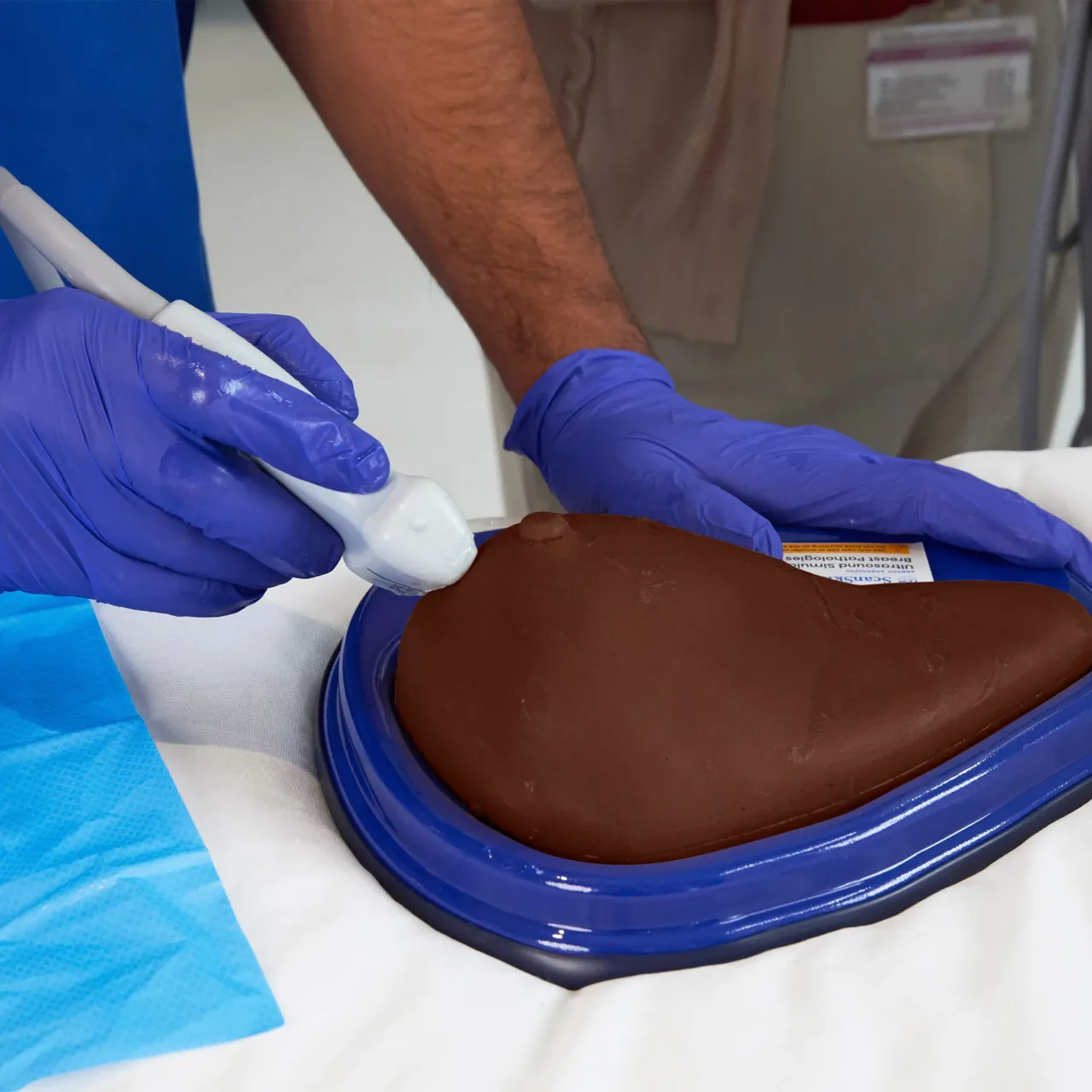
Our Ultrasound Simulator with Breast Pathologies/Biopsy is designed to support realistic breast ultrasound and biopsy training.
The simulator contains three solid nodules measuring between 15 and 20 mm and a fluid-filled cyst measuring 18 mm. Its lifelike echogenic material allows learners to develop their skills in ultrasound probe handling, recognition of anatomical structures and pathologies and accurate needle insertion.
For biopsy training in particular, repeated practice can help clinicians refine their coordination and technique, building the proficiency needed to perform the procedure effectively. These skills also have an important patient-focused purpose. For patients undergoing an unfamiliar and potentially worrying investigation, a procedure carried out efficiently and confidently may contribute to a more reassuring experience.
Supporting learning throughout the pathway
Breast cancer education extends beyond recognising the early signs and symptoms. From breast awareness and examination to ultrasound and biopsy training, simulation can support healthcare education at different stages of the diagnostic pathway.
At Adam,Rouilly, we have been supplying medical education products for more than 100 years, supporting healthcare educators in the UK and internationally.
Explore our breast examination and diagnostic training models, or contact our team to discuss your training requirements.
Source: Breast Cancer Now (5 October 2026), Government joins forces with Breast Cancer Now to help women spot symptoms of breast cancer earlier. Read the announcement.
