
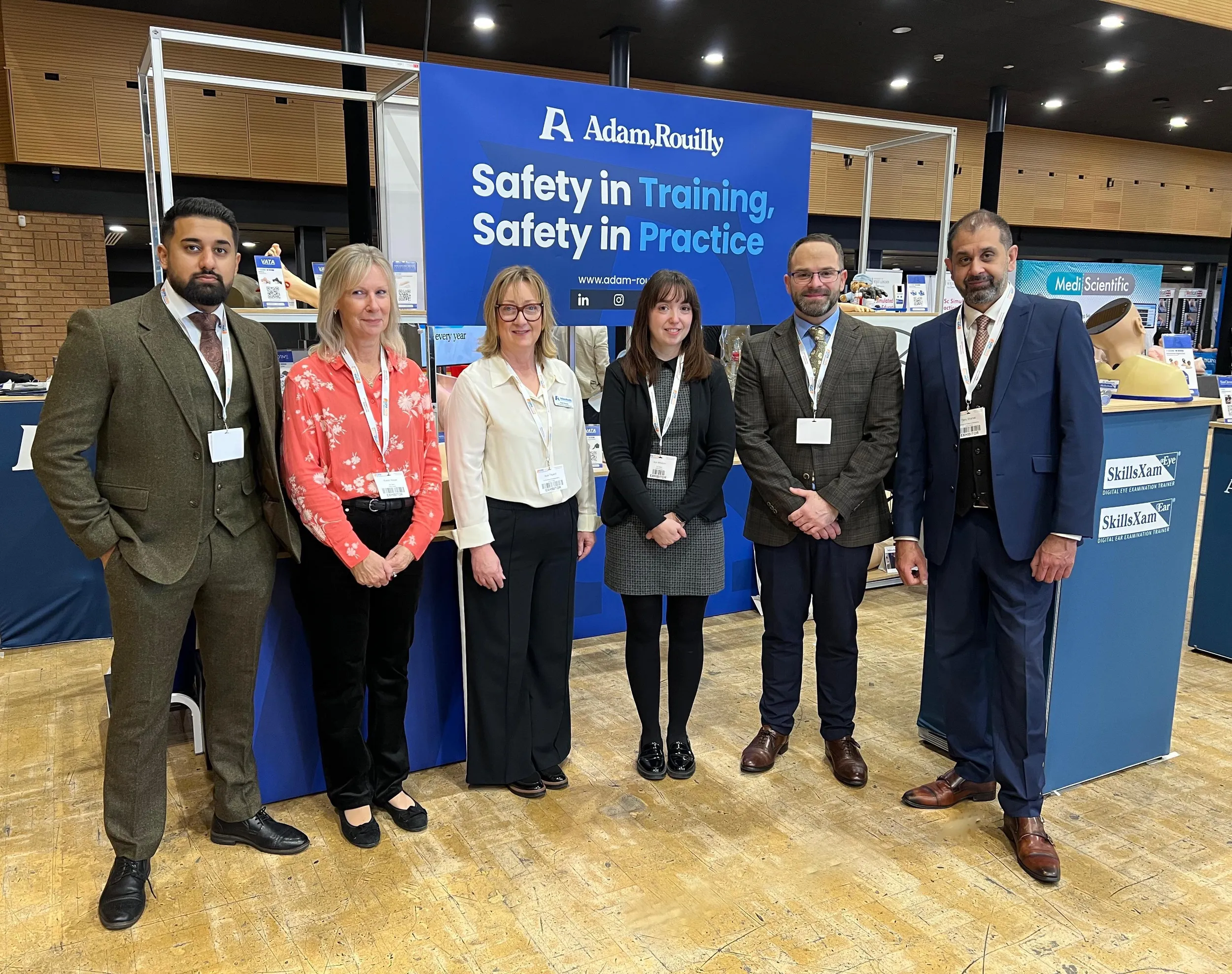
In clinical education, effective simulation isn’t necessarily about the complexity of the equipment, but how well it supports the skills being taught. While high-fidelity manikins have an important role in broader clinical scenarios, dedicated part-task trainers have a valuable place in developing and refining specific examination and procedural techniques.
At ASPiH 2026, we’ll be bringing along a selection of specialist clinical skills trainers, giving visitors the opportunity to see and try the equipment first-hand and exchange ideas about clinical skills teaching with our team.
Developing diagnostic examination skills
Recognising clinical abnormalities is a key part of developing diagnostic skills and simulation allows students to become familiar with different clinical conditions before examining patients.
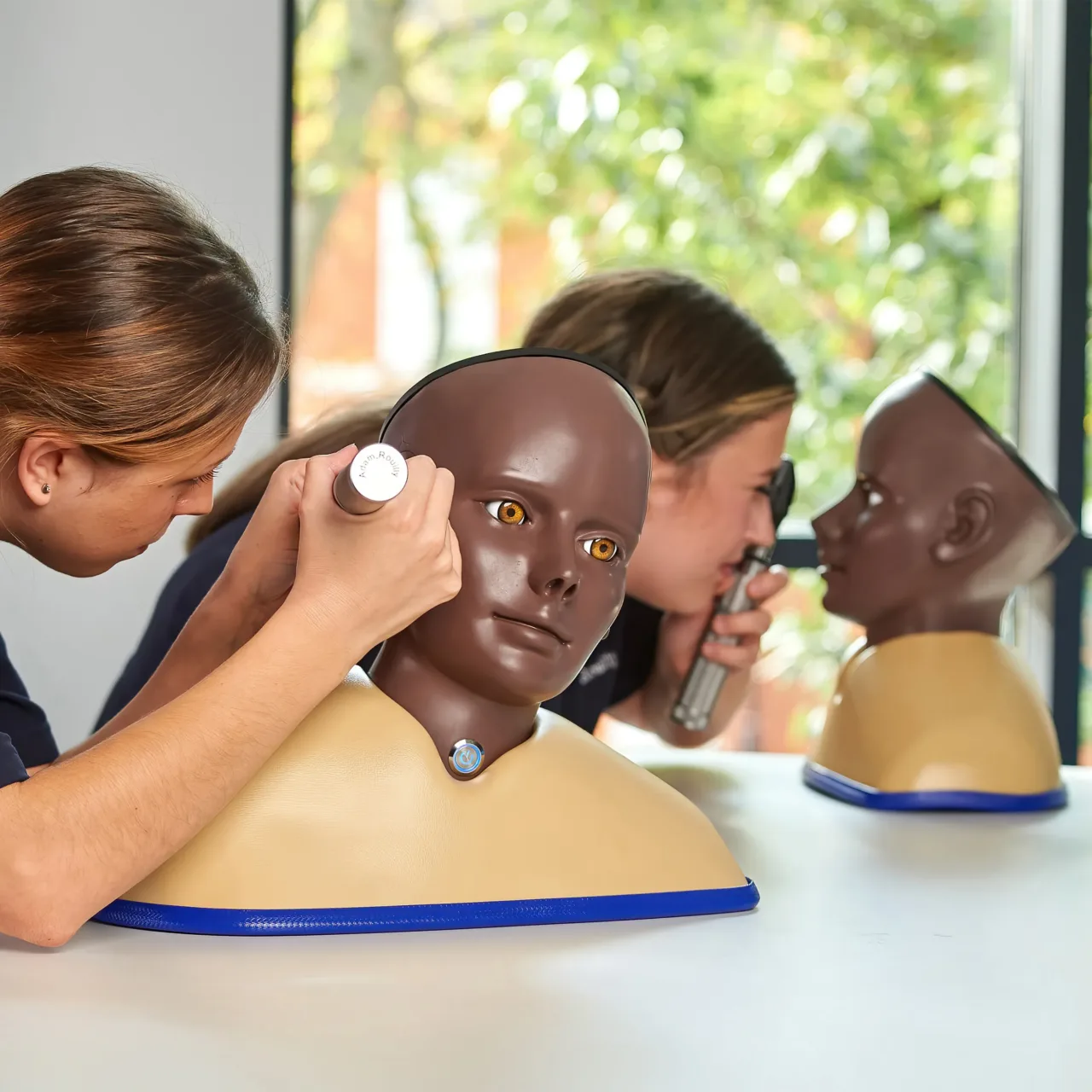
This is where our Enhanced Digital Eye and Ear Examination Trainers can play a useful role, allowing students to practise examination techniques and learn to recognise what they are seeing.
Available in light and dark skin tones, the Eye Trainer features simulated fundus images representing different clinical abnormalities. The two versions demonstrate how appearances can differ depending on pigmentation and vessel visibility, helping learners recognise these variations.
The Ear Trainers offer a broad range of simulated ear conditions, while touchscreen functionality allows educators to select different examples for teaching and assessment.
Building confidence in procedural skills
Procedural training presents its own challenges, particularly when learners need to understand anatomical structures and develop the coordination required to perform procedures accurately.
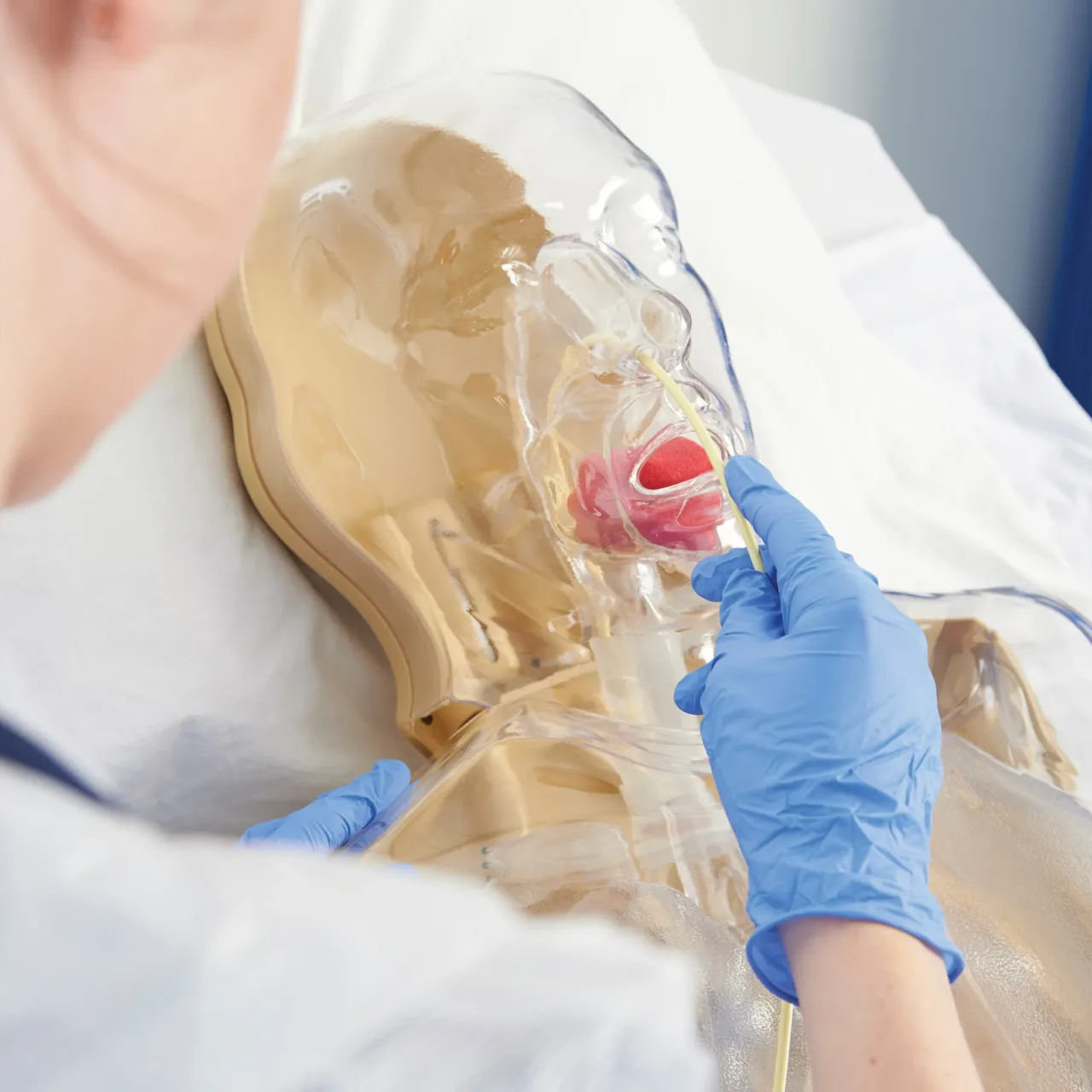
Our CorMan® Adult Nasogastric/Nasojejunal Feeding Trainer incorporates realistic anatomical features for practising feeding tube placement and management. With dynamic tube diversion, visible tube curling and aspiration capability, learners can experience some of the challenges associated with nasogastric and nasojejunal procedures in a controlled setting, helping them improve their technique and build confidence before working with patients.
For ultrasound-guided procedures, our BIOTME simulation range enables learners to develop skills in needle insertion and vascular access. The trainers help users become familiar with ultrasound imaging and improve hand-eye coordination through repeated practice. Their self-healing properties and end-of-life recyclability also reflect the growing importance of sustainability in clinical education.
Bringing flexibility to auscultation training
Auscultation is another area where the choice of simulation equipment can influence how teaching is delivered, particularly when educators want to incorporate both clinical examination and patient interaction.
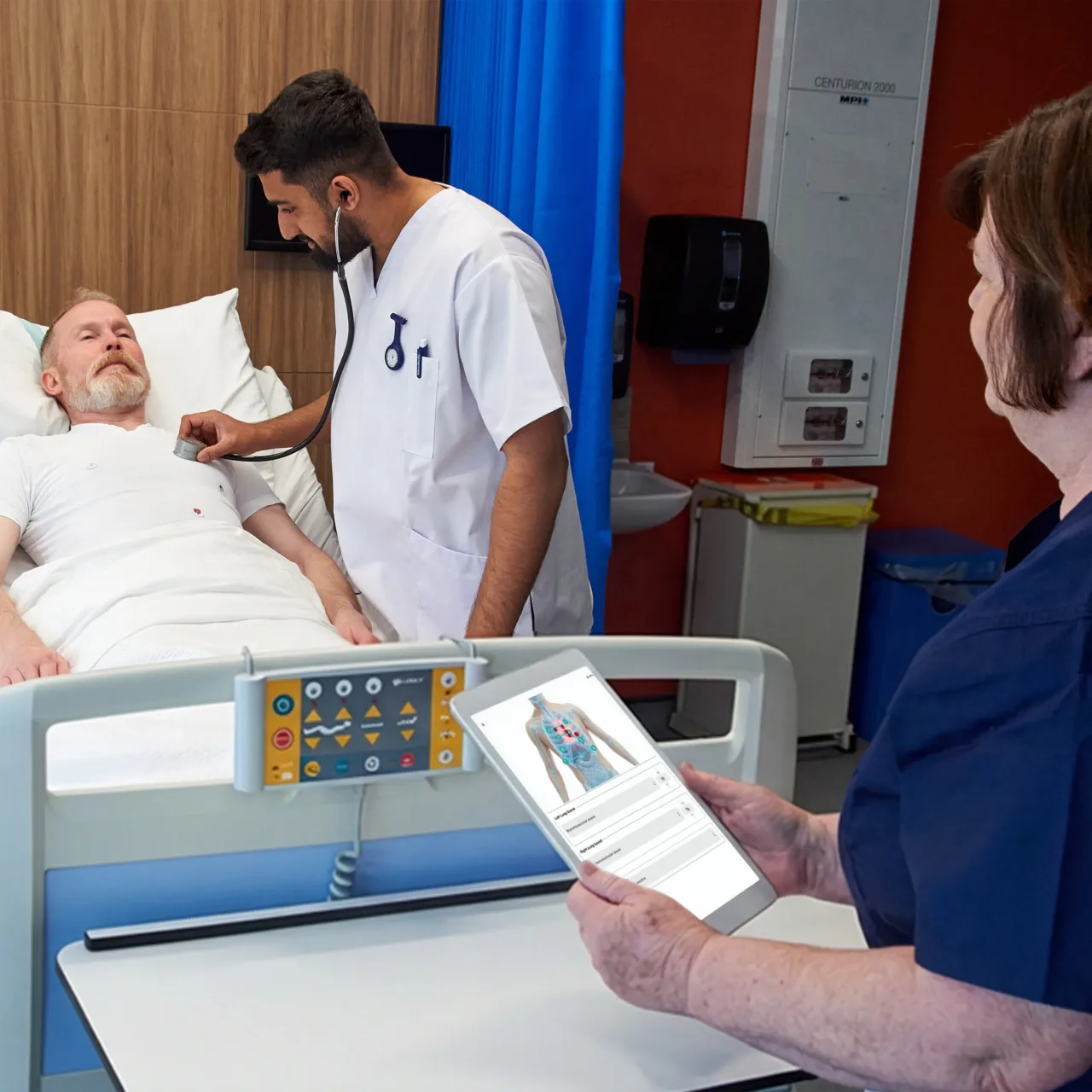
Our SimCleverTM Mobile Auscultation Bundle, paired with the new C-Vest Wearable Auscultation Vest, offers a portable solution for cardiac and pulmonary examination training.
Designed for use with either manikins or people acting as simulated patients, the vest features anatomically accurate auscultation zones and is particularly suited to OSCEs and scenario-based learning. When worn by simulated patients, it also enables learners to combine auscultation techniques with patient communication.
Visit Adam,Rouilly at ASPiH 2026
ASPiH provides a valuable opportunity to exchange ideas, share experiences and discuss the evolving needs of simulation-based education.
We’ll be at Stand S21 in Hall C, where visitors can try their hand at intubation using a TruCorp trainer, a new line for us this year. We’ll also have a new mystery product solution to reveal at the event!
Alongside these additions, we’ll have a wider selection of our part-task trainers available for visitors to try out. As always, our Sales team will be on hand to discuss your teaching requirements and help you select the most suitable equipment for your simulation and budgetary needs.
We look forward to seeing you in Harrogate.
