
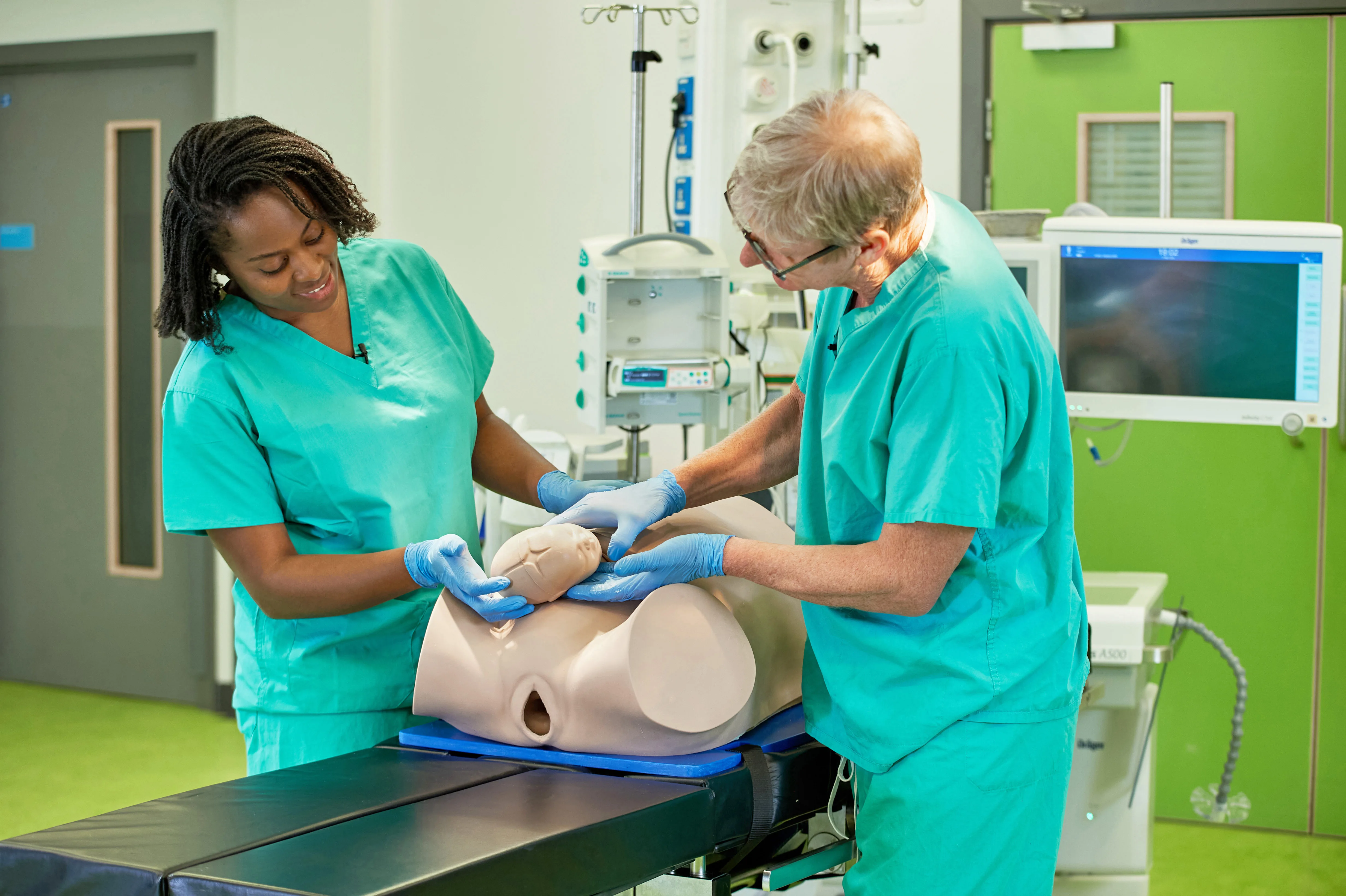
In obstetric emergencies, rapid and effective assessment is critical. Frameworks such as ABC underpin clinical decision-making, supporting teams in identifying and managing immediate concerns under pressure.
Applying these approaches in complex obstetric scenarios requires not only technical skill, but also confidence and clear team coordination. Situations such as impacted fetal head during caesarean section can present significant clinical challenges, where timely and effective response is essential.
Evidence suggests that impacted fetal head may complicate as many as one in 10 unplanned caesarean births and is associated with increased risk of serious complications for both mother and baby. As maternity teams encounter these scenarios with increasing frequency, the need for realistic training that builds both confidence and capability becomes increasingly important.
Evidence on impacted fetal head complications can be found in this clinical research paper on obstetric outcomes.
Programmes such as those developed by the Royal College of Obstetricians and Gynaecologists reinforce the importance of timely escalation, multidisciplinary communication and intervention in improving outcomes in obstetric care. Further detail is available within their ABC approach to avoiding brain injury in childbirth guidance.
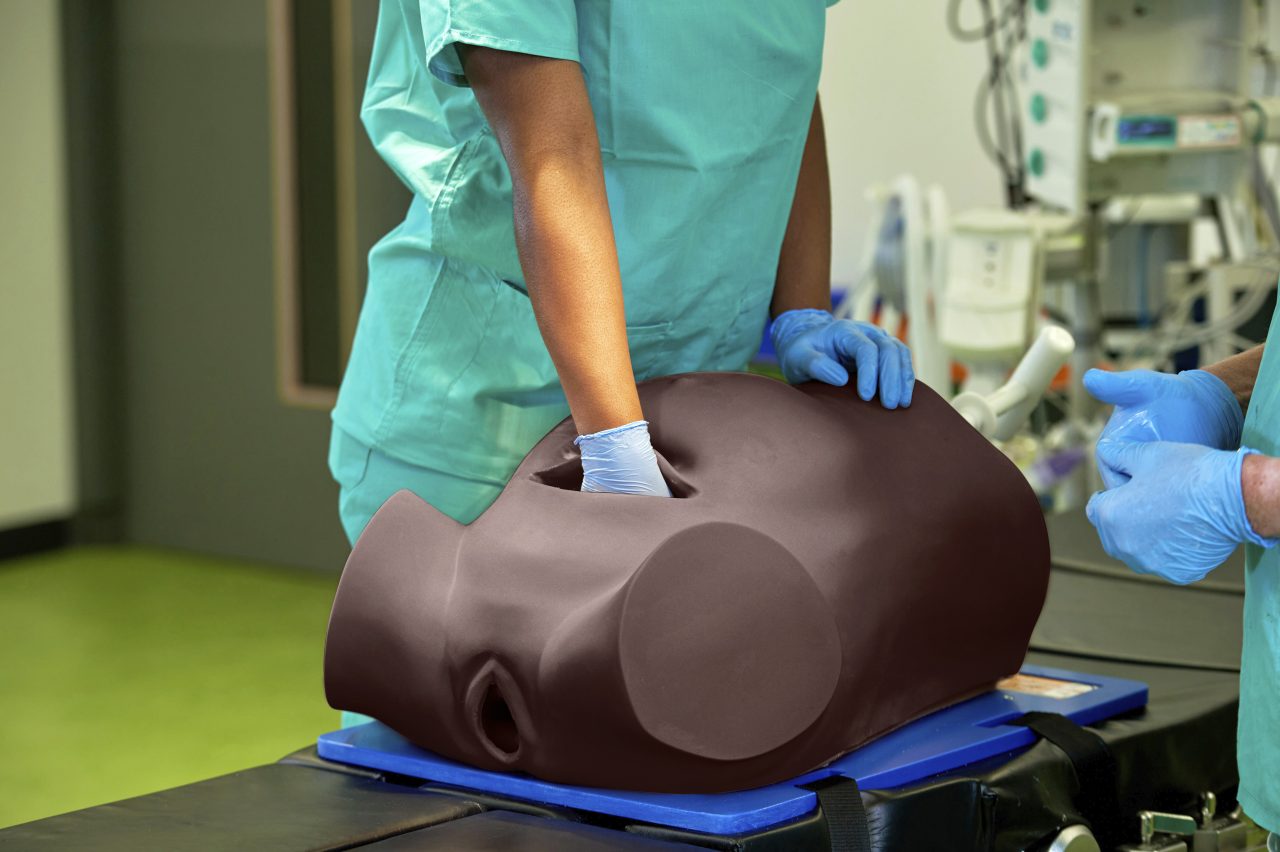
Simulation-based training provides an opportunity to rehearse complex obstetric scenarios in a controlled environment, allowing clinicians to apply approaches such as ABC in practice.
Through hands-on, team-based training, clinicians can engage directly with realistic scenarios, supporting both technical skill development and decision-making under pressure. This also strengthens communication and coordination within multidisciplinary teams, helping to build confidence in high-pressure situations and ultimately supporting improved outcomes for both mother and baby.
Tools such as our AR68 Debra Enhanced® support this type of training by enabling the lifelike reproduction of complex obstetric scenarios, including those involving impacted fetal head.
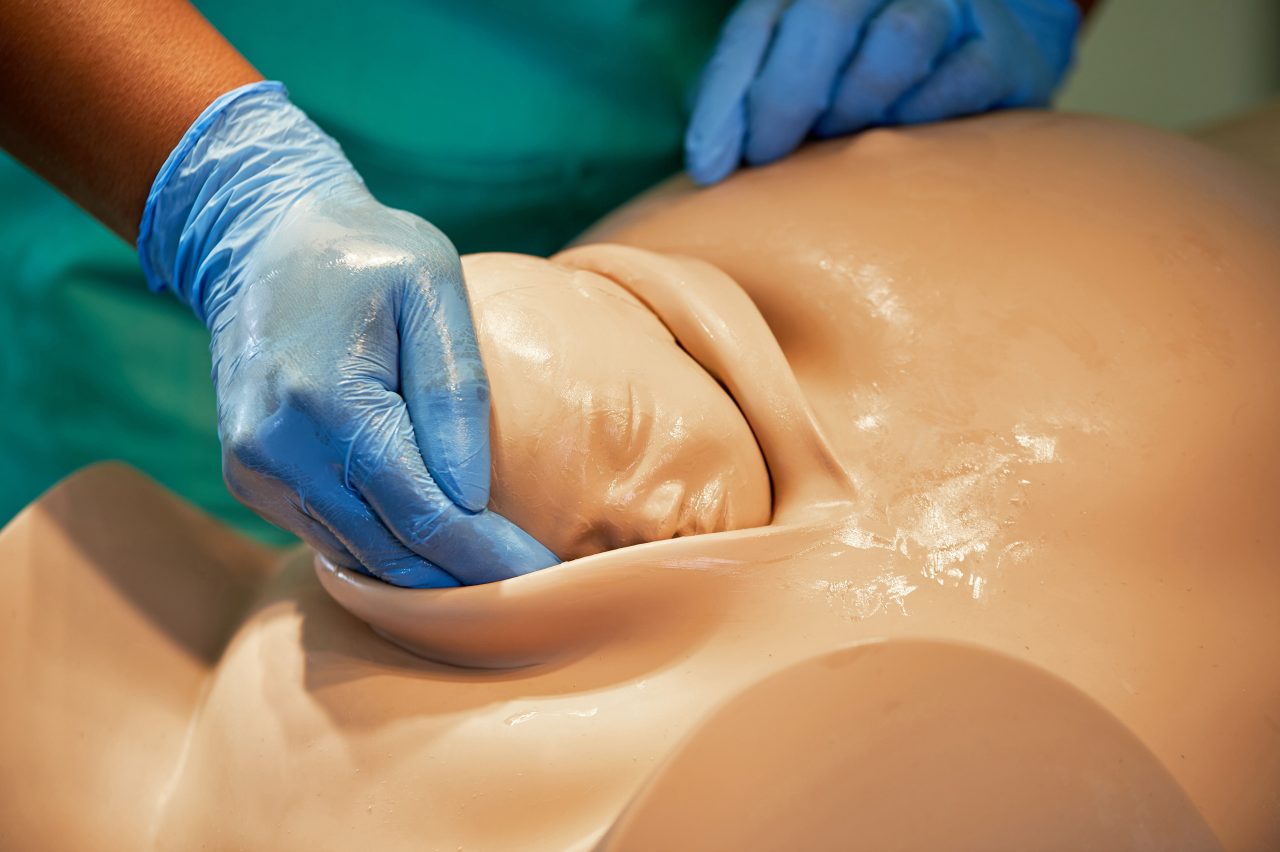
In practice, this level of detail extends to the physical characteristics of the simulation. The moulding of the fetal head is highly lifelike, with pronounced fontanelles, suture lines and skull plate movement accurately reflecting the pressures experienced during impaction. Vaginal examination also feels more realistic, with the fetal head descending deep into the pelvis, closely replicating the presentation of a deeply impacted head.
As a multidisciplinary training tool, it enables teams to rehearse a range of recognised techniques for elevating the fetal head, including manual push-up methods, balloon devices and the Tydeman Tube. It also reinforces the coordinated roles of the wider team, from midwives through to theatre staff and anaesthetists. This enables teams to train more effectively for scenarios where coordinated action is essential to manage the risk of serious complications for both mother and baby.
The lifelike nature of the AR68 Debra Enhanced®, combined with highly realistic feedback, encourages deeper engagement with the scenario, creating an engaging training experience that closely reflects clinical practice.
By reflecting the pressures and unpredictability of complex clinical situations, this level of realism plays a critical role in building confidence, enabling clinicians to practise and refine their response in a setting that feels as close to real life as possible. This becomes particularly relevant when training against frameworks such as ABC, where both decision-making and practical execution must align under pressure.
While a range of obstetric trainers are available, the level of realism and training depth can vary. In this context, solutions such as the AR68 Debra Enhanced bring added value by offering a more engaging and clinically realistic training experience, supporting more confident, consistent and effective performance in high-pressure situations.
Further insight into the development of Debra Enhanced can be found in our New and Improved Simulator Announcement and Debra Enhanced® Product Overview Article.
As clinical education continues to evolve, there is also increasing awareness of the importance of improving outcomes in caesarean birth, with initiatives such as Caesarean Awareness Month highlighting the need for continued focus on training and patient safety. More information is available via Caesarean Awareness Month 2025.
At Adam,Rouilly, we recognise the importance of supporting clinicians and educators with realistic training tools that reflect clinical practice, helping to build both confidence and capability in high-pressure obstetric scenarios, where effective performance is critical for both mother and baby.
For more information about realistic, long-lasting clinical skills simulators and task trainers, please get in touch with our Sales Team, who are always happy to offer advice about the products available within your budgets.
