
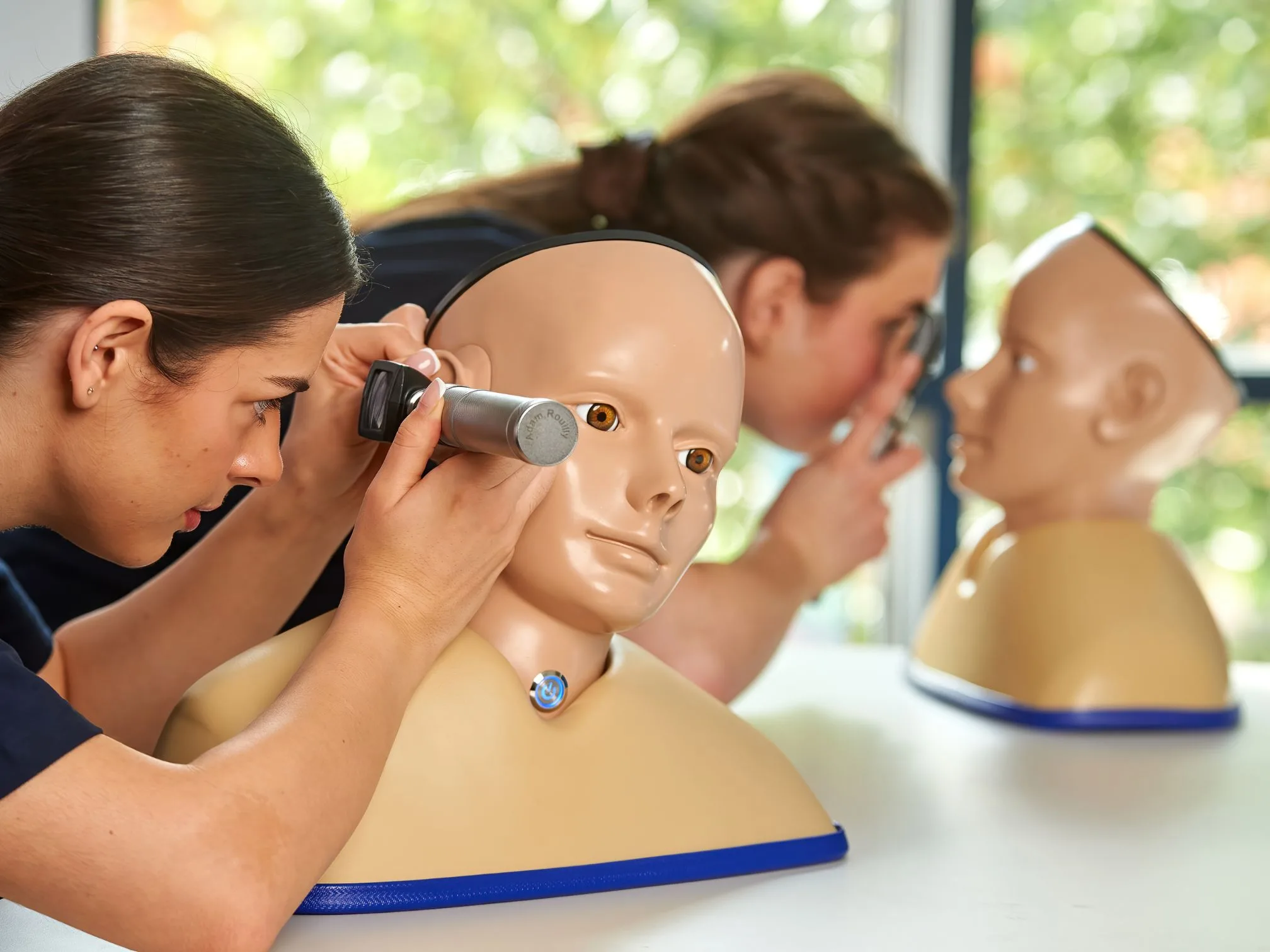
Final preparations are underway for ASPiH 2025, where we’ll be showcasing a selection of our top medical education solutions, as well as debuting improved versions of some of our most popular clinical skills trainers.
Excitement is building for next week’s three-day event in Bournemouth and members of the Adam,Rouilly team are looking forward to joining with industry peers, medical professionals, students and education suppliers from across Europe.
As Gold Sponsors of ASPiH 2025, we share the conference’s values of culture, co-production and creativity, and are keen to help further the agenda of simulation-based healthcare education and its transformative potential.
Talking about what we do is the easy part though; the real challenge was deciding which of our many amazing and genuinely transformative products to take with us!
We’ve managed to narrow it down to a selection of medical simulators and task trainers which we think will be of most interest and benefit to conference delegates. They have all been developed in close collaboration with medical experts to solve real-world teaching needs.
This is where true innovation and transformation is born. It means we’re creating the products needed to provide healthcare workers of the future with access to realistic, authentic training experiences, using lifelike, robust and durable products.
It doesn’t end with the launch of a product either. Many of our medical education solutions are regularly enhanced as technology, teaching methods, or medical understanding evolves.
We’re excited to be debuting two such new and improved models at ASPiH next week.
If you’re attending the event, we’d love you to pop by our stand and say hi. In the meantime, here’s a brief overview of the items we’ll be demonstrating and how they came about through meaningful collaboration.
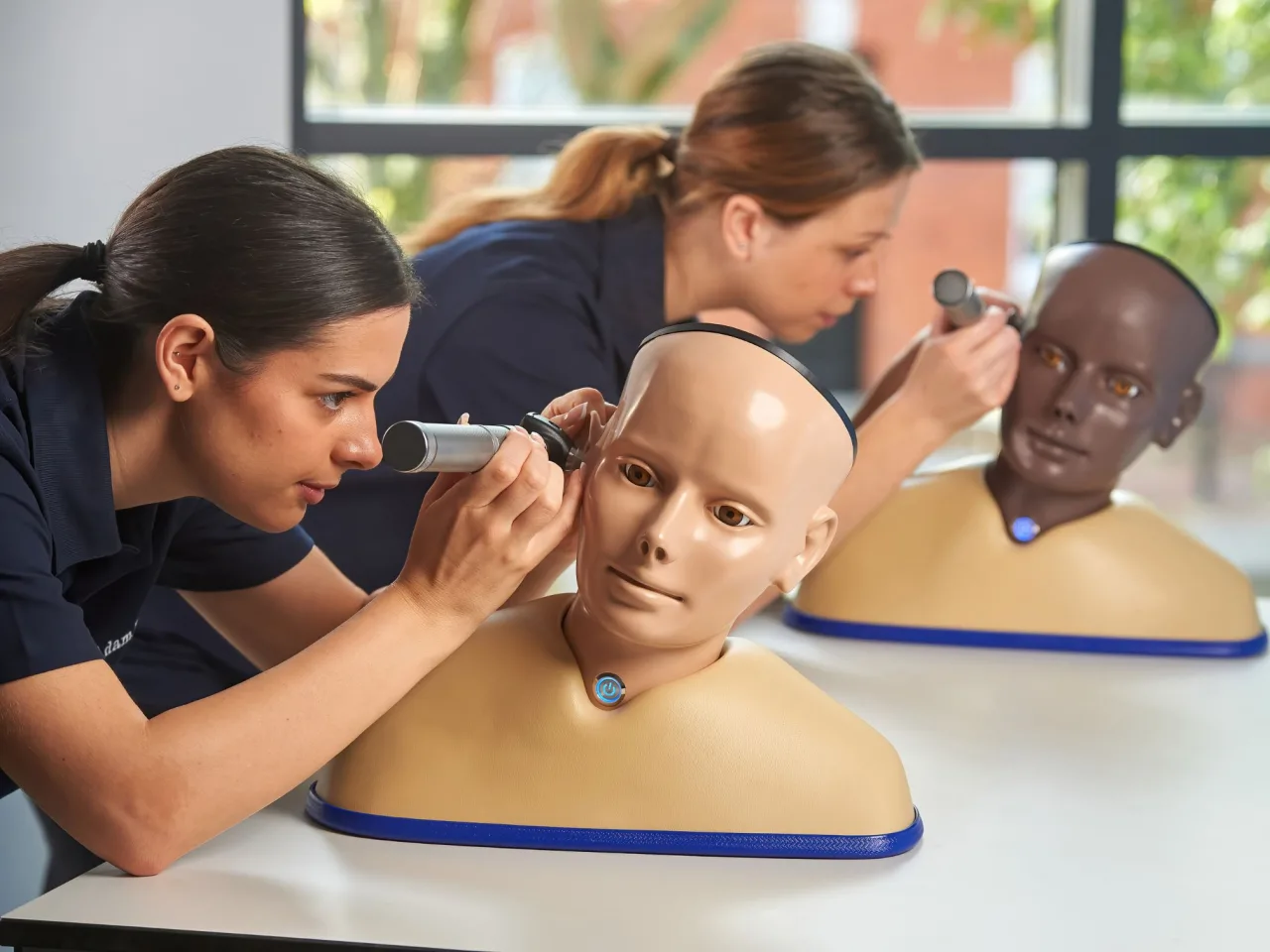
Enhanced Digital Ear Examination Trainer
We first approached Professor Tony Wright, Emeritus Professor of Otolaryngology, back in 2016 to help us update our model for teaching examination of the ear. That model had simple photographic representations of 12 different ear conditions.
He worked with us to design a significantly improved version with 48 ear conditions and a high resolution digital display. We’ve now collaborated with Professor Wright again to further enhance our ear examination trainer and will be showcasing the new-look model for the first time at ASPiH.
Ear examination is a cornerstone of clinical practice and this new trainer is more immersive, lifelike and versatile than ever. It will transform the way ear examination is taught.
It includes:
- 59 common and rare ear conditions
- Conditions displayed with greater clarity and true-to-life colour on a high resolution circular LCD screen
- A 4.3-inch external touchscreen interfaced for intuitive and efficient operation
- Users can preview, search and select conditions, or build random or customisable sets for teaching, self-directed learning or examination scenarios
Enhanced Digital Eye Examination and Retinopathy Trainer
At its core, the Digital Eye Examination/Retinopathy Model helps healthcare professionals develop essential skills for retinopathy exams.
Thanks to collaboration with Professor of Diabetes and Clinical Skills, Vinod Patel, our enhanced model now goes much further. Professor Patel’s expertise enabled us to include specific diabetic retinopathy conditions, which is incredibly important as diabetes becomes more prevalent in the UK and abroad.
Crucially, advanced digital technology in this model allows trainees to experience for the first time, how the same eye condition can present differently in patients with light and dark skin tones.
In darker-skinned patients, deeper pigmentation in the fundus reduces vessel visibility – a nuance which is replicated in the dark skin tone version of this enhanced eye model.
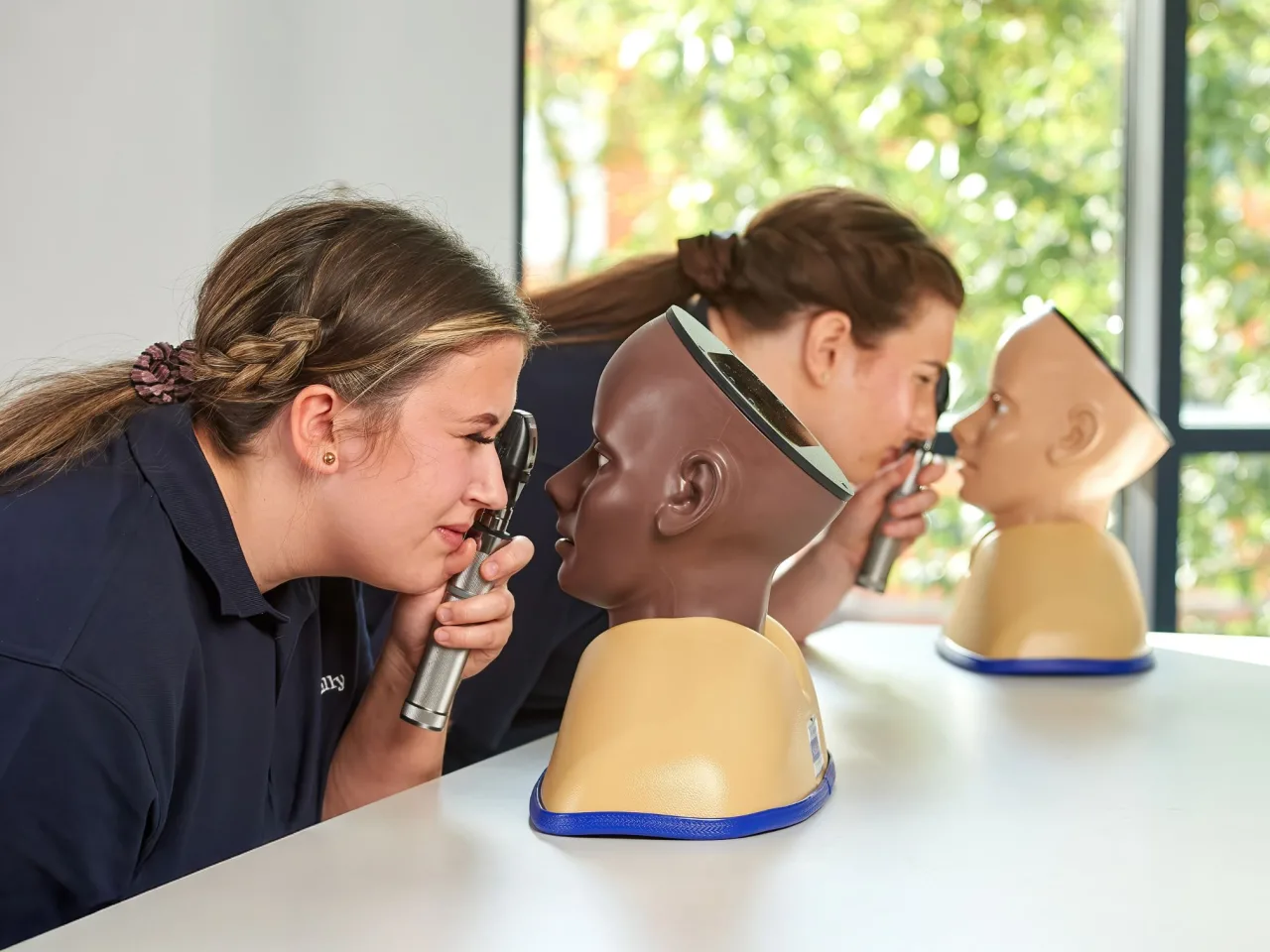
We’ll be debuting the enhanced digital eye examination retinopathy trainer at ASPiH. It includes:
- Depictions of 36 eye conditions
- Conditions displayed with greater clarity and true-to-life colour on high-resolution circular LCD screens
- A 4.3-inch external touchscreen interfaced for intuitive and efficient operation
- Users can preview, search and select conditions, or build random or customisable condition sets for teaching, self-directed learning or examination scenarios
Both the enhanced ear and eye examination models come with a shoulder base and rigid carrying case. They can also be bought together as a set.
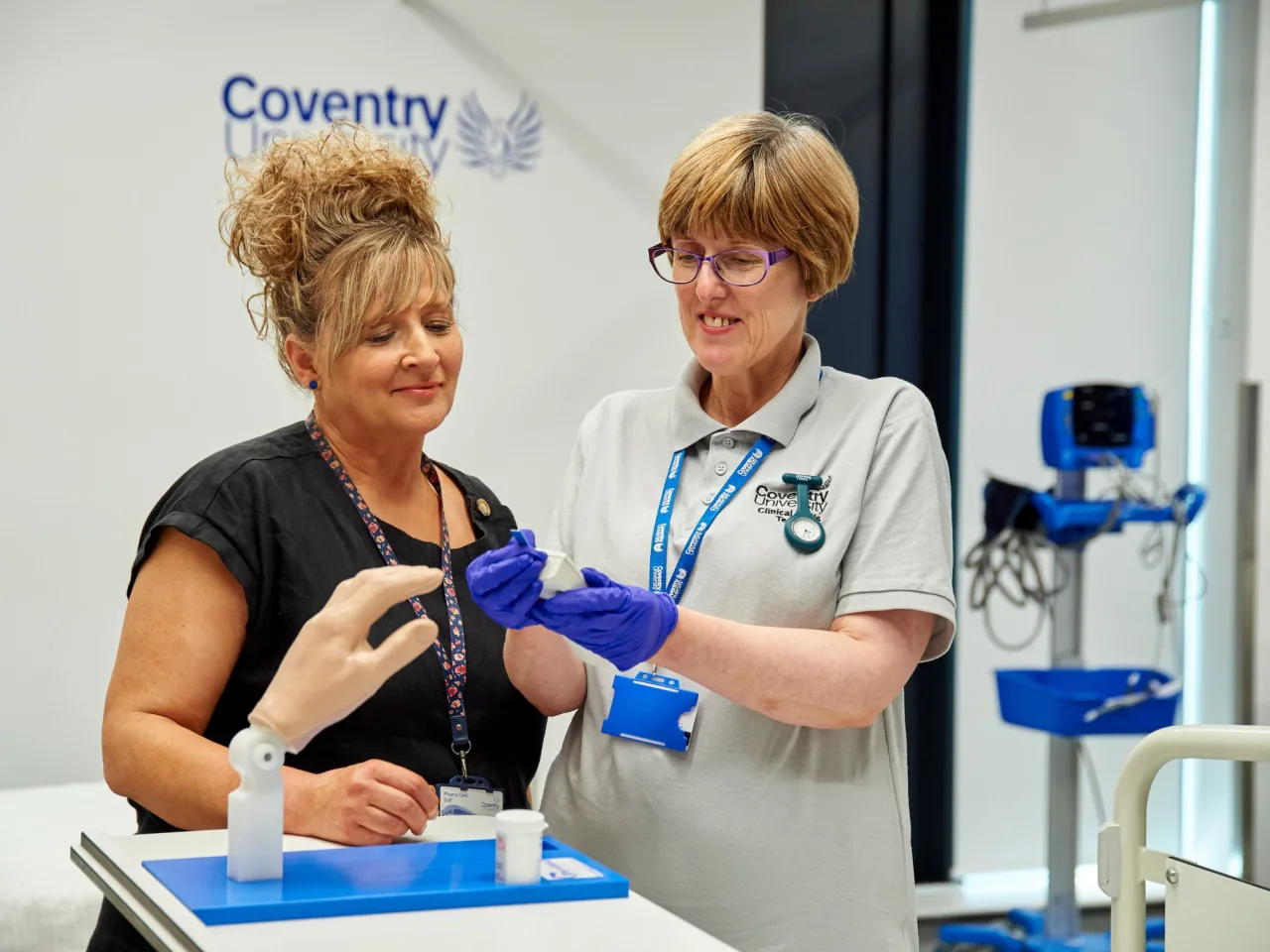
Glucohand – Digital Glucometer Simulator
This simulator provides realistic blood glucose training for patient care, featuring a life-sized hand with refillable finger pads, reusable test strips and programmable readings. It’s ideal for clinical education, simulation and training in the management of diabetes.
This innovative model was designed by Nina Godson, Assistant Professor and Lead for Clinical Skills at Coventry University, and was developed in recognition of the rising prevalence of diabetes.
More than 700 people are diagnosed with diabetes every day in the UK and Professor Godson wanted to help students improve their skills in all aspects of diabetic blood sampling, from the procedure itself, to the ability to interpret high, normal and low blood glucose readings.
Key benefits of this model include:
- An all-in-one solution for blood glucose training
- Simulated glucometer device, which functions the same as a real one, enabling trainers to pre-set or randomise the readings
- A realistic adult hand, cast from life, with two refillable finger blood pads
- Highly economical reusable test trips
Digital Cricoid Pressure Trainer
The Cricoid Pressure Trainer was designed to address the very specific need of training clinicians to apply the correct amount of pressure to the cricoid in patients undergoing emergency anaesthesia.
This vital life-saving technique stops regurgitated stomach content from coming up the food pipe and passing into the lungs – which can lead to serious complications and even death.
We designed it in conjunction with Dr Osman Abdelatti, Consultant Anaesthetist, who had constructed his own prototype after being unable to find anything suitable on the market.
Previous studies showed that 95% of clinicians were unable to identify the correct amount of pressure to apply to the anterior neck when using the technique – also known as the Sellick Manoeuvre.
Cricoid pressure has been the subject of many studies and reports over the years, which you can read more about in our previous article here.
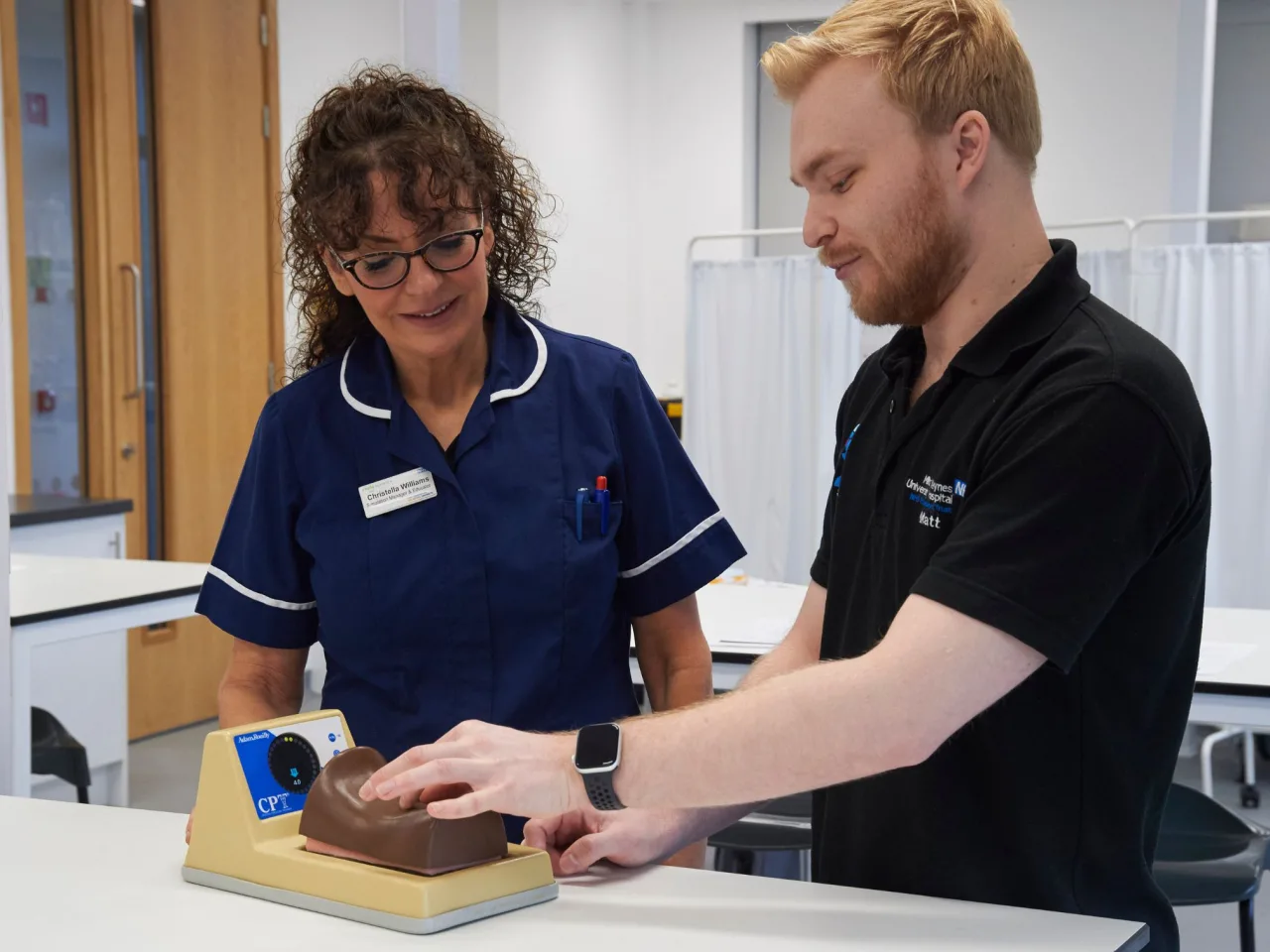
The pressure trainer has many features which make it a useful teaching aid for operating theatre practitioners, obstetric and general anaesthetists and their assistants.
Benefits include:
- Realistic feeling of the tracheal rings, cricoid cartilage, cricoid ligament and thyroid cartilage
- A translucent skin covering to aid visual anatomical understanding and a flesh tone skin covering as proficiency is gained
- A full colour digital display showing the degree of cricoid pressure applied and how long for, in Newtons or kilograms
- Exam mode to hide the display of the applied pressure, helping trainees learn the correct pressure through muscle memory
Rectal Examination, Stool Assessment and Enema Training Model
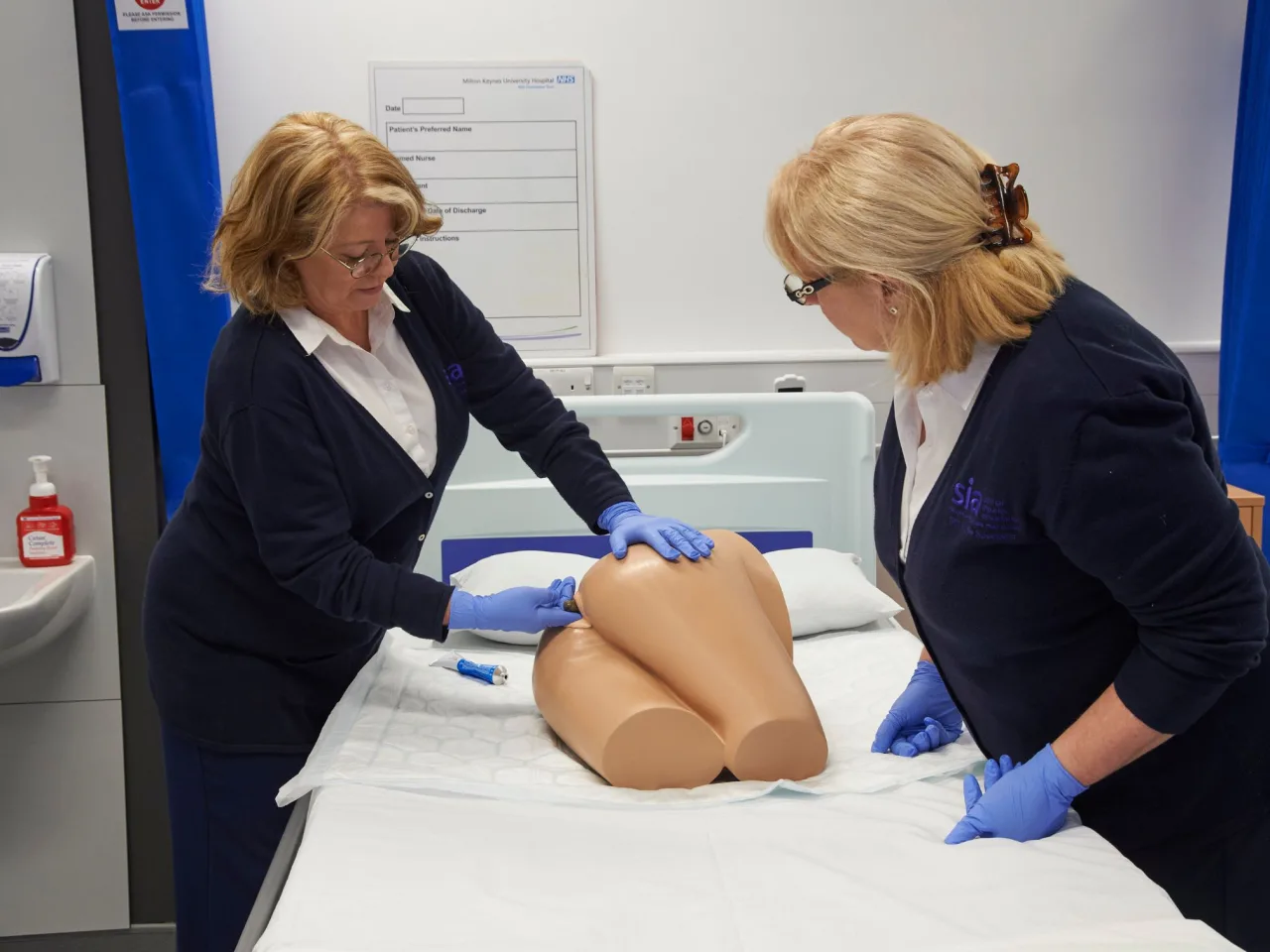
We are delighted to have worked in close collaboration with the Spinal Injuries Association (SIA) to create a new and improved rectal model to help address a serious gap in training.
Despite the high risk of complications from poor bowel care, particularly in people with spinal injuries, the NHS identified a lack of staff training and experience in the digital removal of faeces, with limited opportunities for learning and practice.
The SIA contacted us for help and we worked together to enhance our rectal examination model so it could be used to provide teaching in all the relevant techniques.
This four-in-one model offers stool assessment, general examination, stool extraction and enema training in one easily portable trainer. Additional functions were included to teach suppository insertion, liquid enemas and liquid medication, in response to many requests for these features.
You can read more about how this story unfolded in our previous rectal model article here.
The new and improved model includes:
- Four interchangeable rectal inserts for stool assessment and extraction, identification of anomalies and enema/liquid medicine insertion
- Internal anatomy in a softer, more lifelike material
- Representations of nine types of stool
- Flip-style guide containing the Bristol Stool Chart, as well as 13 photos of rectal conditions
Debra Enhanced® – Impacted Fetal Head Simulator
We worked with a team of leading clinicians to develop the improved Debra Enhanced® simulation model for the teaching of vital skills which can help reduce the risk to mothers and babies during late stage emergency caesarean births.
It allows clinical teams to both learn and practise what to do when a baby’s head becomes lodged deep in the mother’s pelvis during the procedure.
The Royal College of Obstetricians and Gynaecologists (RCOG) has identified impacted fetal head as a ‘significant contributor to avoidable brain injury in childbirth’, which can have a devastating impact on babies and families.
This multi-disciplinary teaching tool was initially developed, and more recently enhanced, in collaboration with Dr Graham Tydeman, Consultant in Obstetrics and Gynaecology, NHS Fife, Professor Andy Shennan OBE, Tommy’s Chair in Maternal and Fetal Health, and Dr Annette Briley, Professor of Women’s Health & Midwifery Research, Flinders University and Northern Adelaide Local Health Network, South Australia.
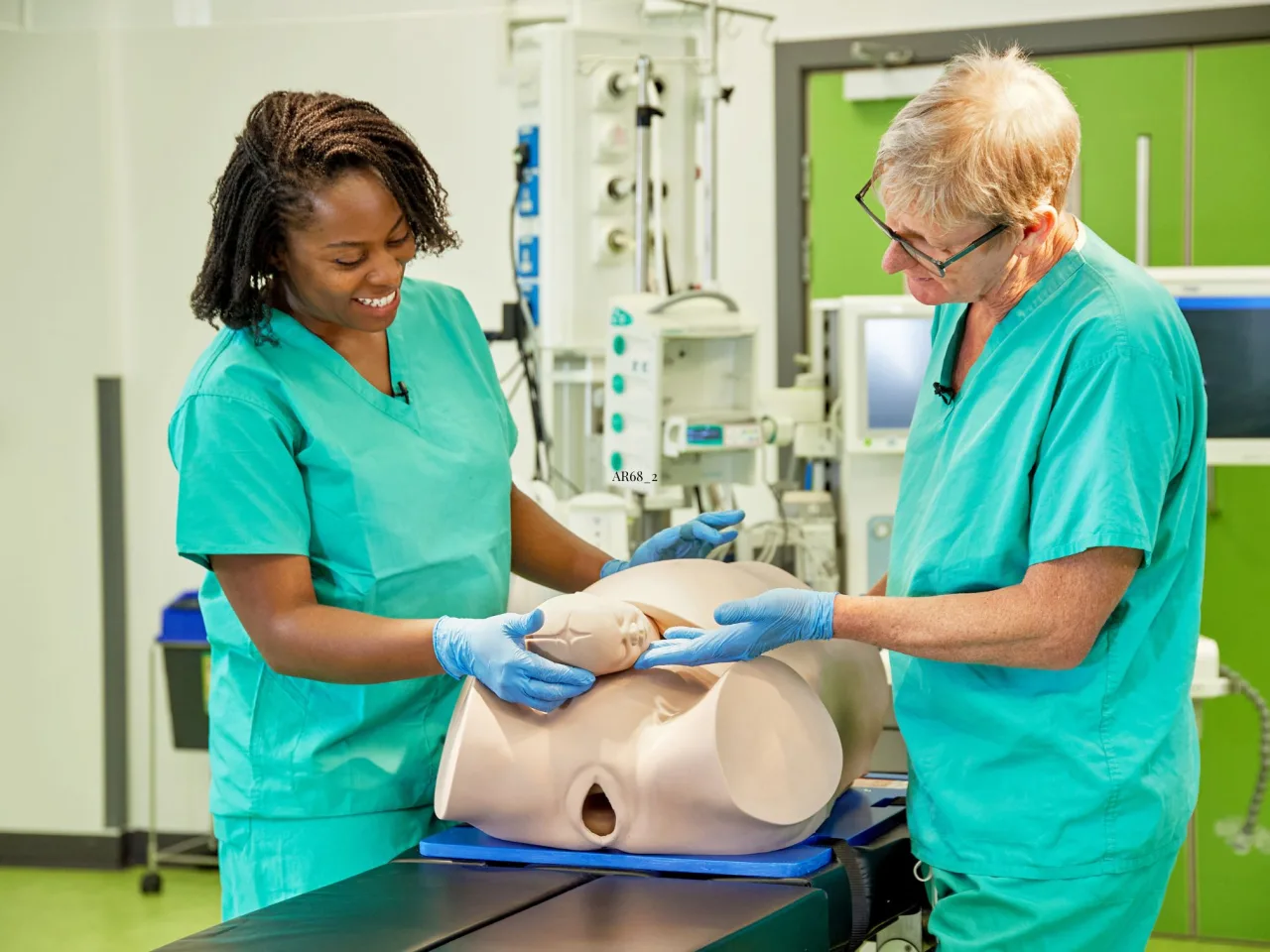
Features of Debra Enhanced® include:
- Variable degrees of fetal head rotation, flexion and asynclitism
- Unique mechanism to replicate fetal head impaction with variable degrees of difficulty
- Enables training in the use of forceps insertion and failed forceps delivery simulation
- Pelvis cast from natural bone specimen
You can read the full story of Debra Enhanced® here.
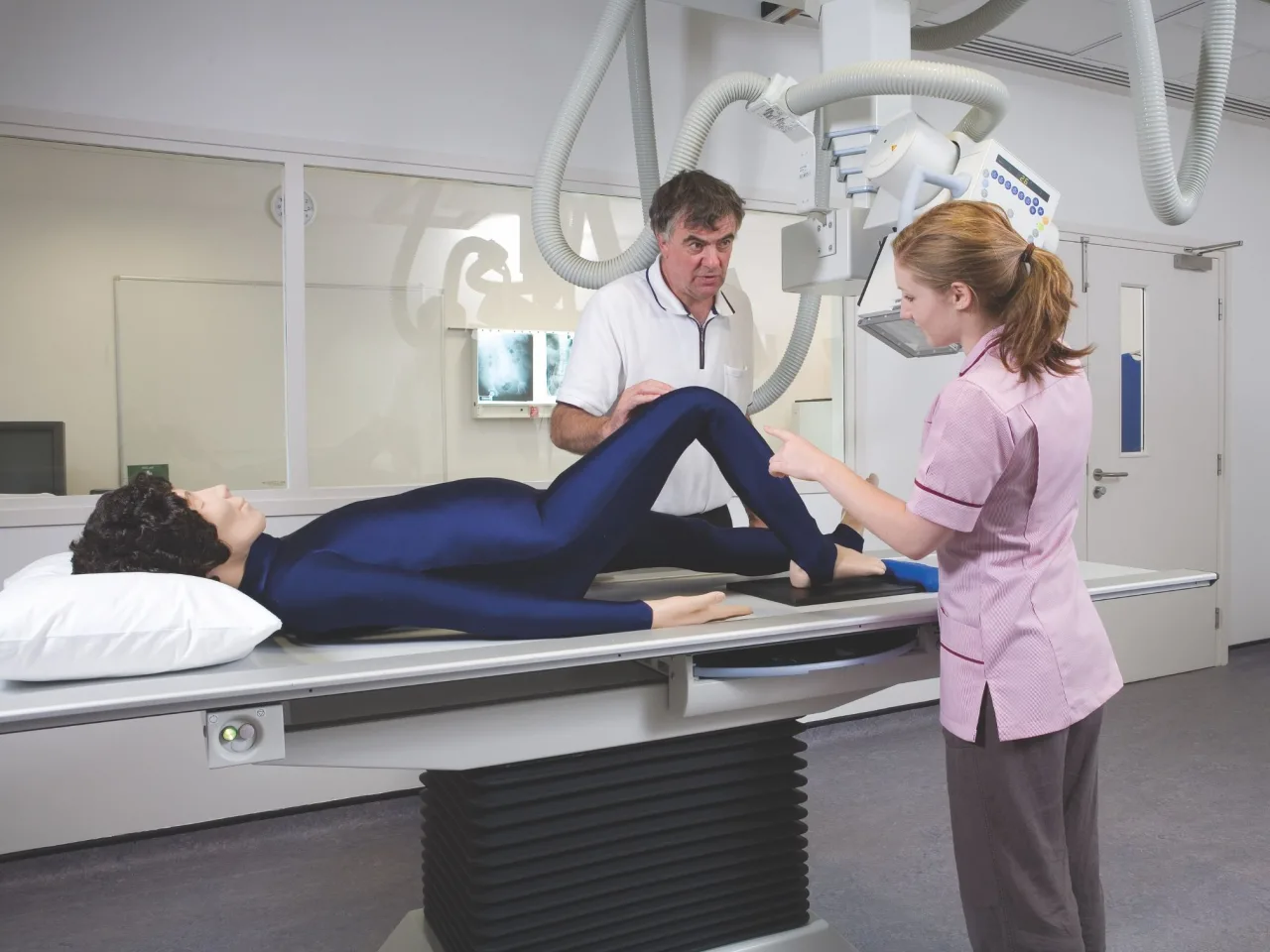
X-Ray/Radiographic Positioning Doll
This life-size Radiographic Positioning Doll is a real showstopper and always draws the crowds at expos and conferences.
One of our earliest products, the Radiographic Positioning Doll is woven deep into the history of Adam,Rouilly and our longstanding ethos of collaboration and partnership working. It was designed by Adam,Rouilly director, Bob Mackrory Senior, in the 1960s after he was approached by the Royal Herbert Military Hospital.
The design of the X-Ray doll has evolved over many years and remains popular for radiography teaching with recent successful trials in both MRI and CT scanner use.
For many years, we have partnered with Canterbury Christchurch University where each doll is individually x-rayed for quality assurance.
The life-size figure has a fully flexible articulated skeleton made from a specially selected grade of plastic, with no metal parts.
Other highlights include:
- Easily identifiable landmarks
- The body covering can stimulate surface anatomy while remaining totally radiolucent
- Representations of the larynx, heart, lungs and kidneys constructed from radiolucent material
- Light enough to be carried easily
- Flexible and realistic movement of joints
These products offer just some examples of the many ways in which we collaborate with health professionals to create products that bring about real transformations. You can read more on our news pages, including this recent article about simulated learning for community care.
Come and see us at ASPiH!
If you’d like to say hi to the team and check out any of the items we’ll have with us, we’d love to see you there.
If it’s your first time, check out this article on what to expect from the ASPiH 2025 event.
And if you’re not attending ASPiH this year, but would like to talk about medical education solutions for your organisation, our Sales Team is always on hand to help.
